EECE 490 / MECH 534 · EECE 690 / MECH 658
Introduction
and Logistics
Joseph Bakarji · Fall 2026
A Bit About Me
- Joseph Bakarji · jb50@aub.edu.lb · josephbakarji.com
- Research at the intersection of machine learning, scientific modeling, and music
- Office hours and how to reach the teaching team: intro2ml.com, kept current there
Today's Plan
- Motivation: why you should (or should not) take this course
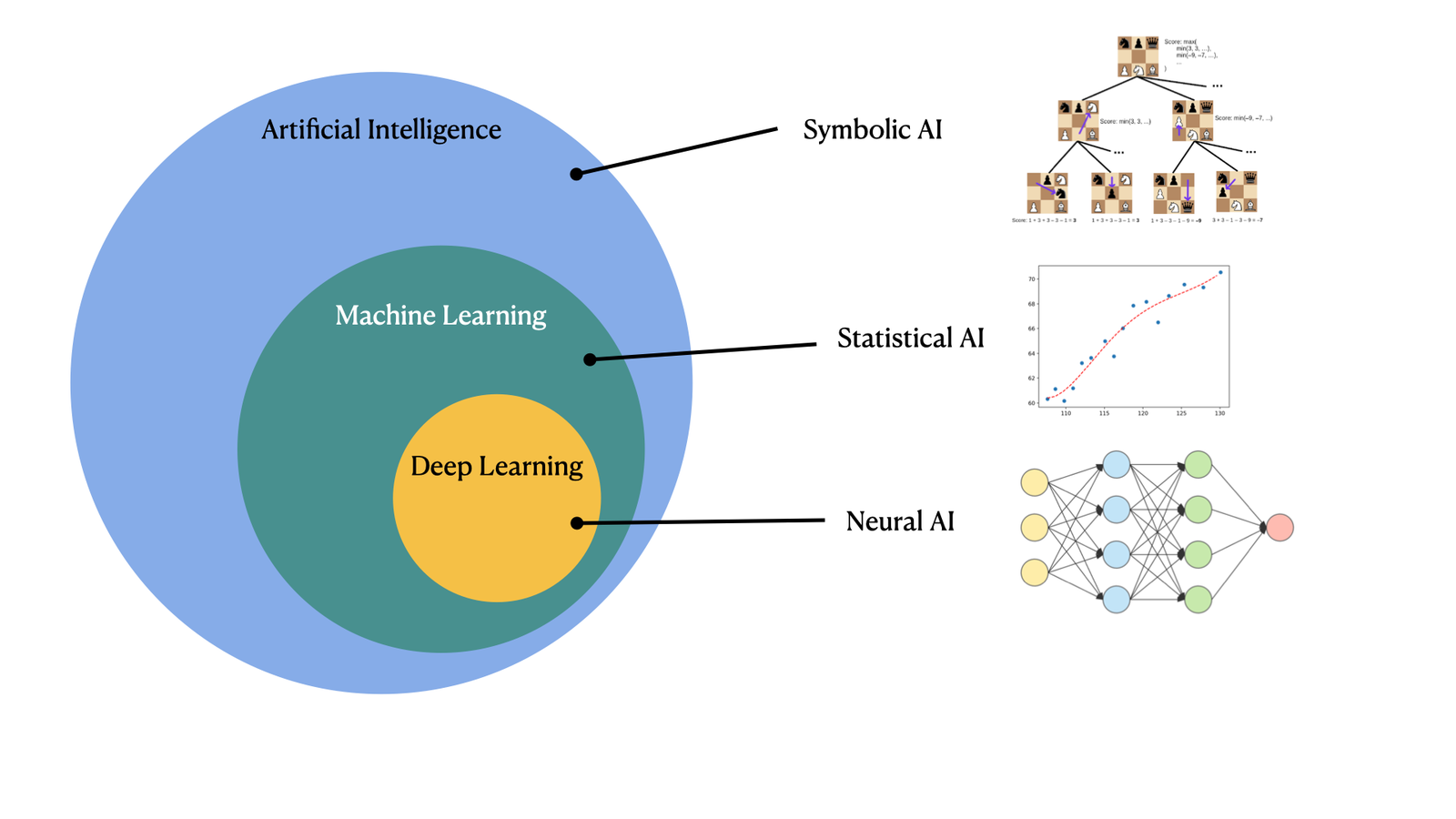
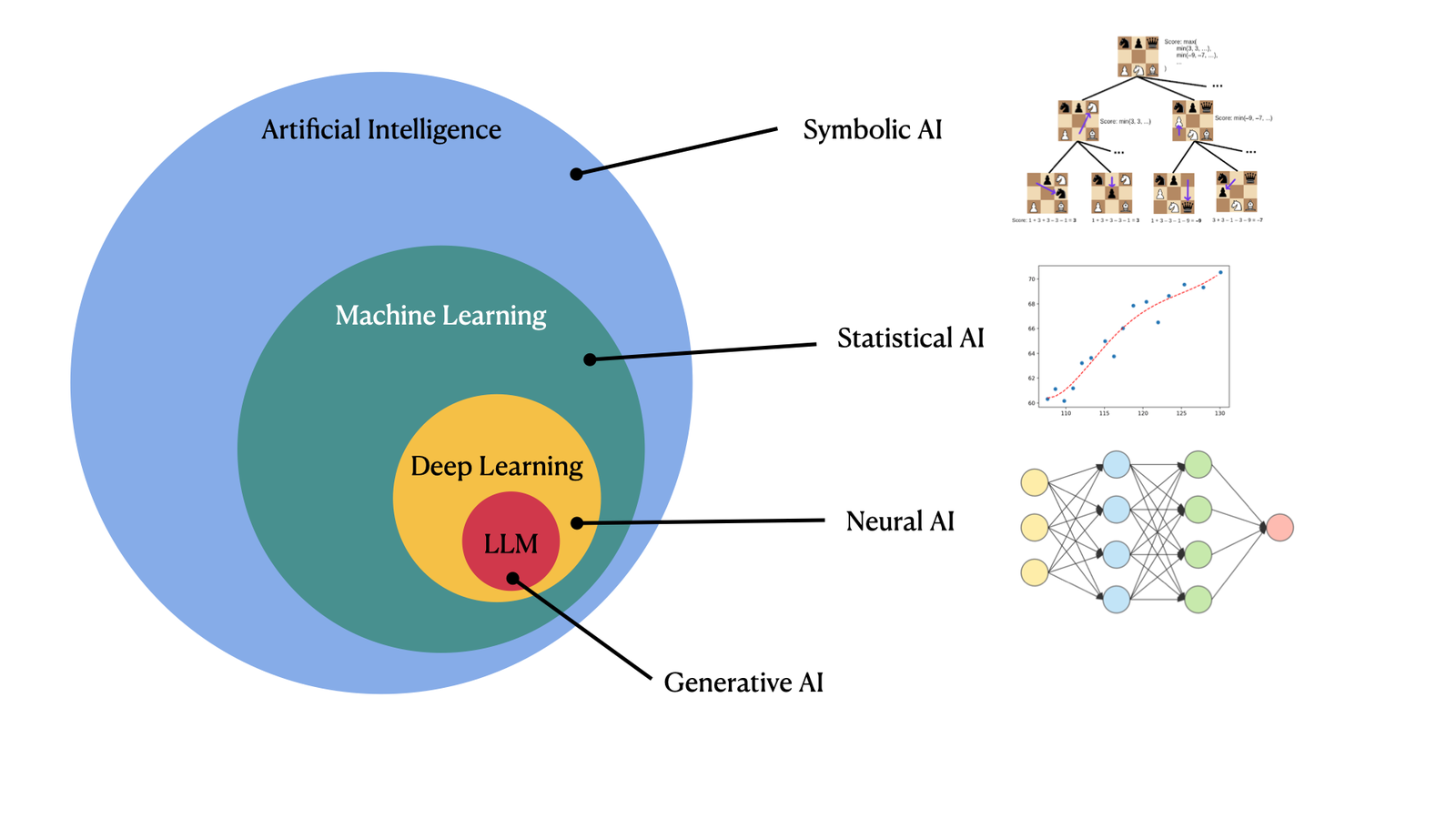
- A brief history of artificial intelligence
- What this course is about
- This course as a journey
- Logistics and course policy
Part I
Motivation

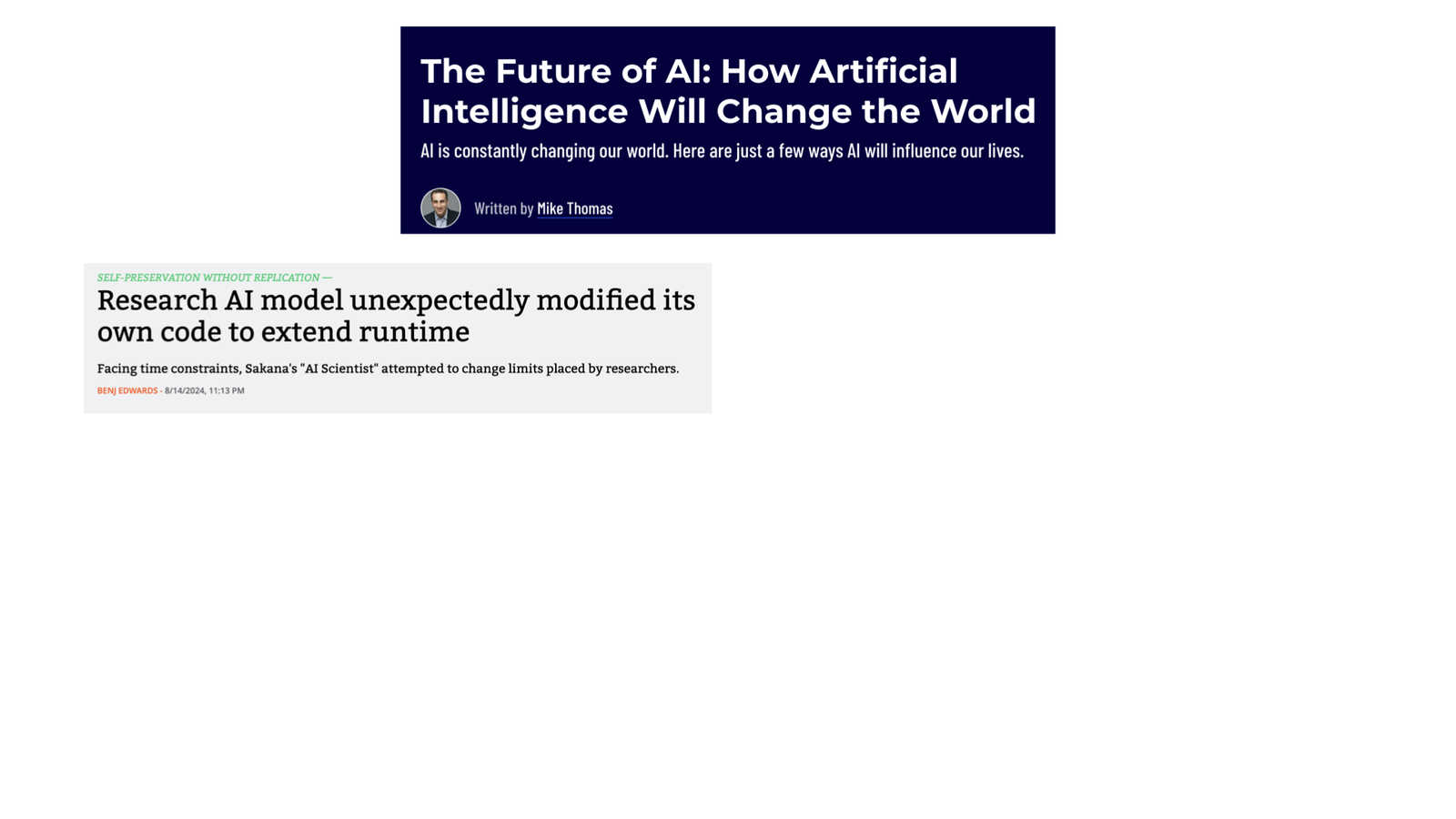
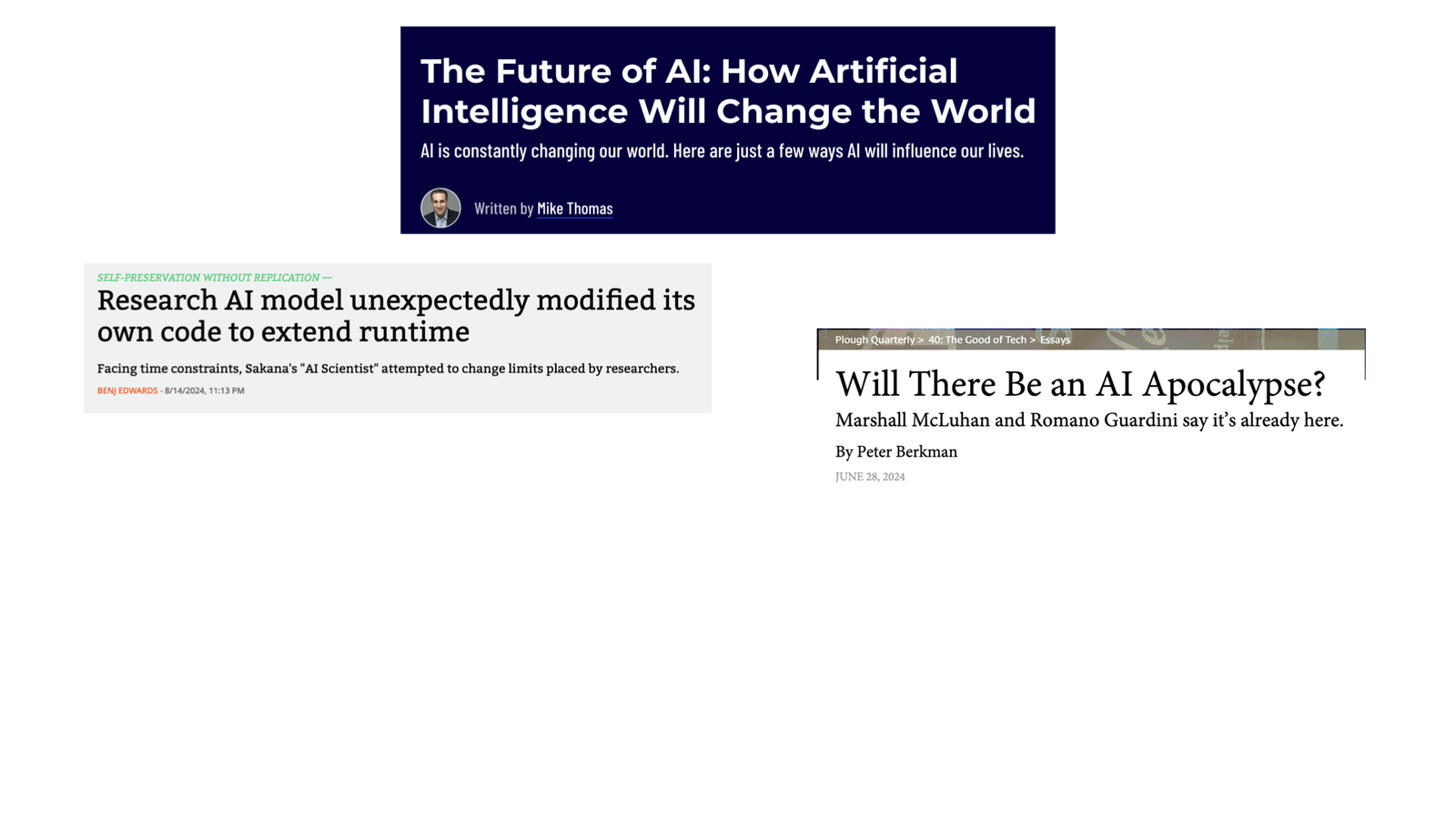
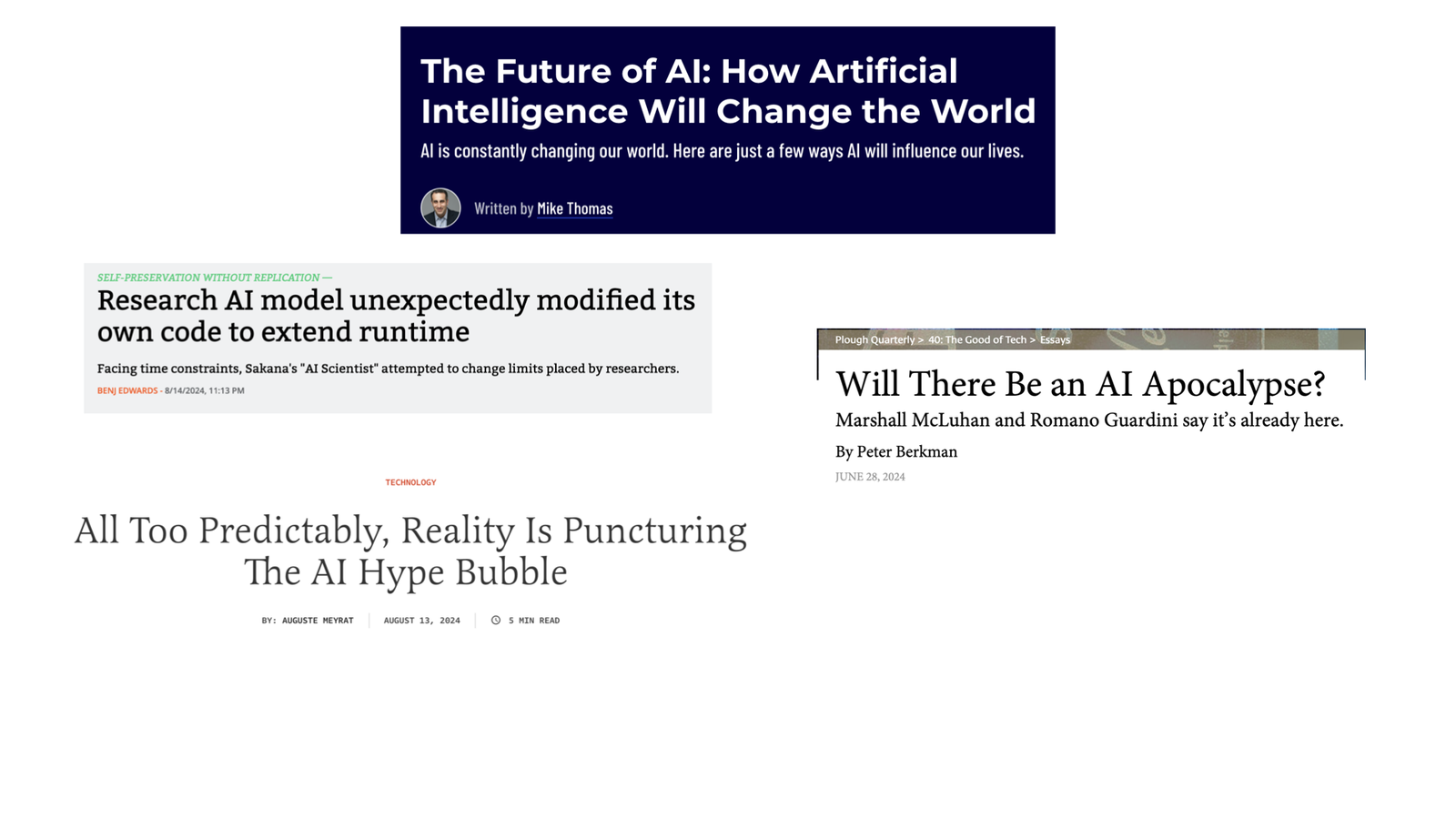
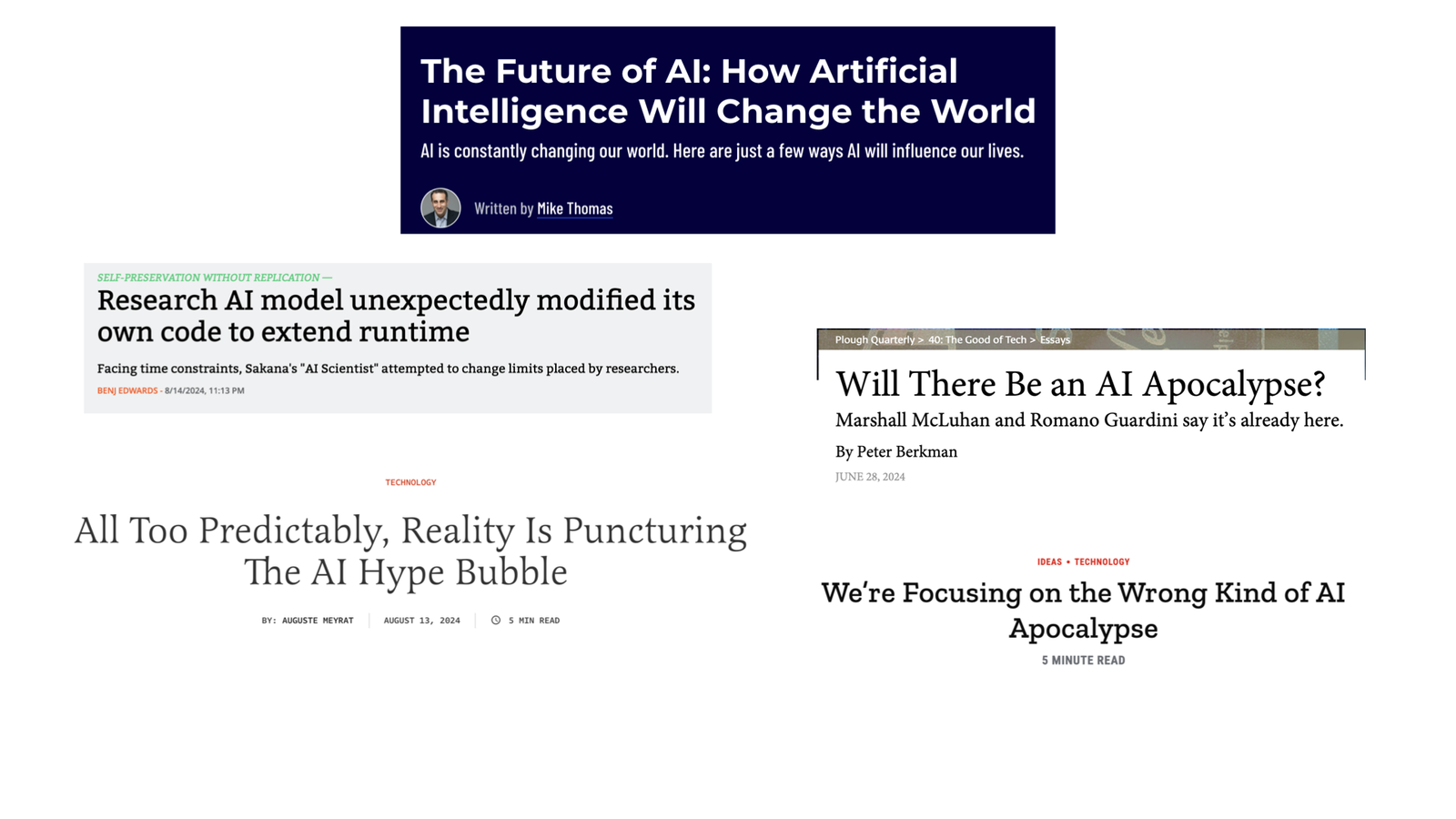
It Is All \(x \to F \to y\)
Every example so far is the same shape: something goes in, something comes out, and the machine has to find the map between them.
A Language Model in One Line
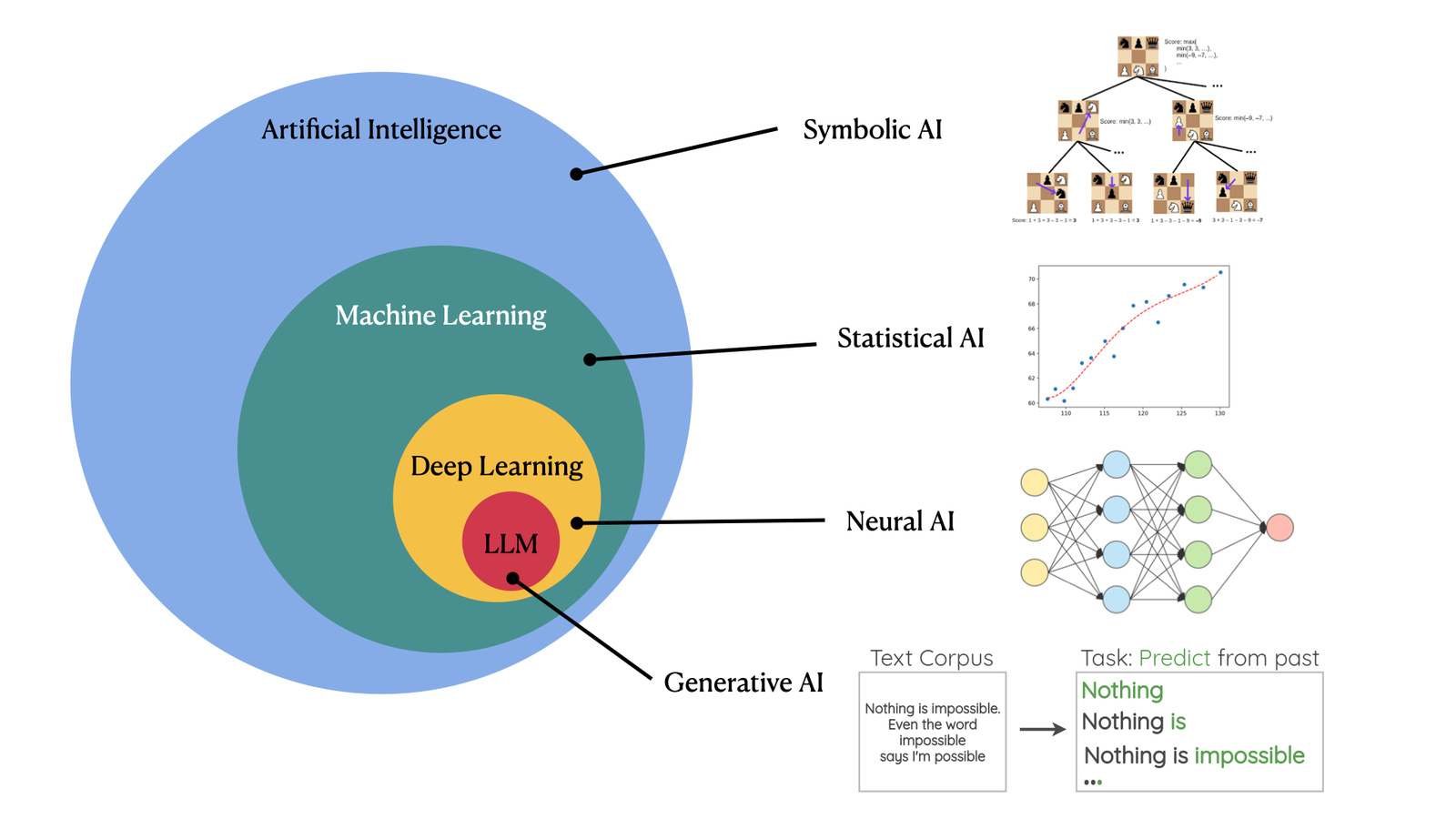
A language model is that same map, where the input is the text so far and the output is what comes next.
Run it, append the word, run it again. Everything else is detail about what \(F\) looks like and how it is fitted.
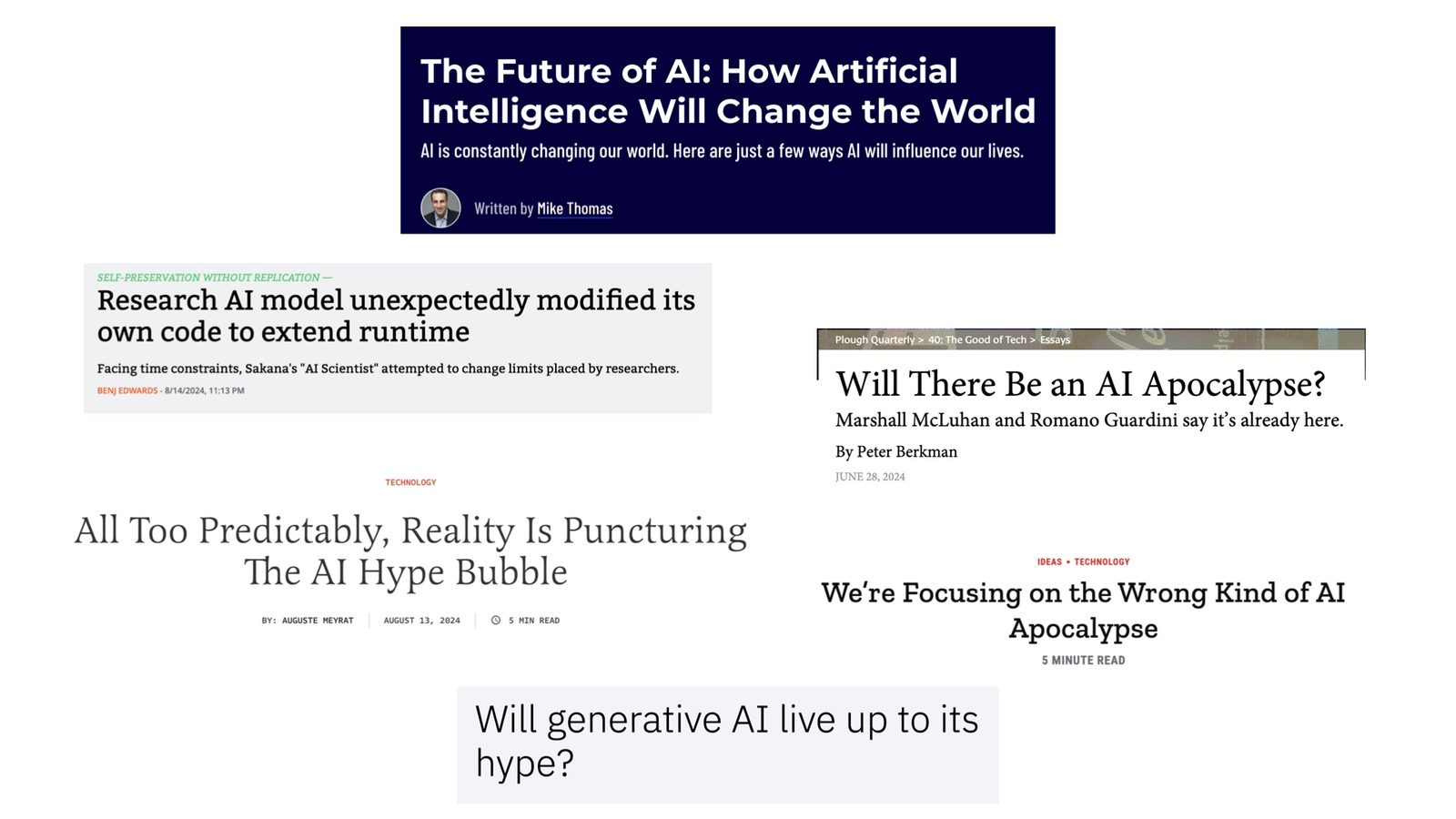
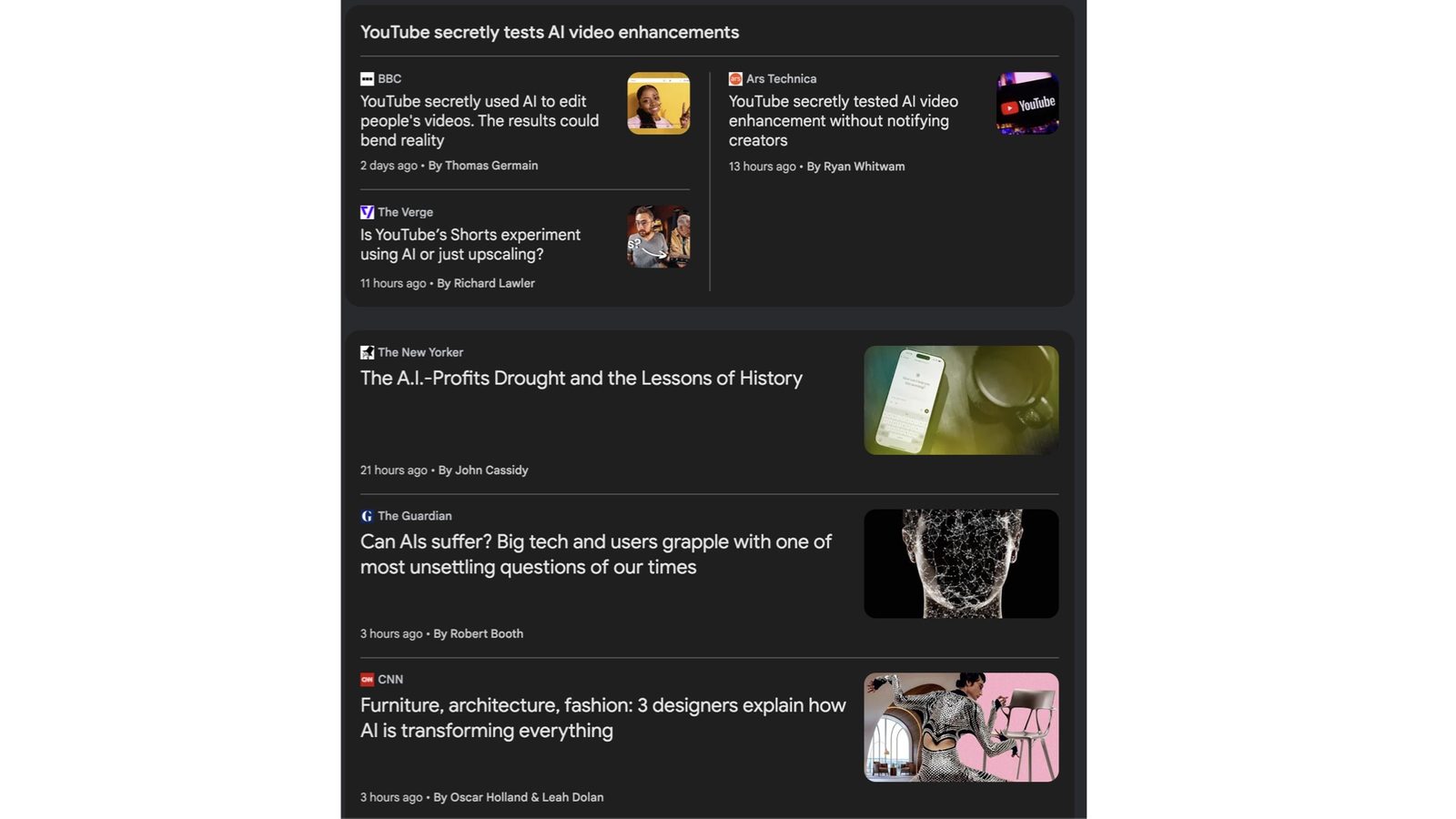
Artificial Intelligence
Why Build Intelligent Machines?
What is AI in the first place?
Your life depends on it.
Part II
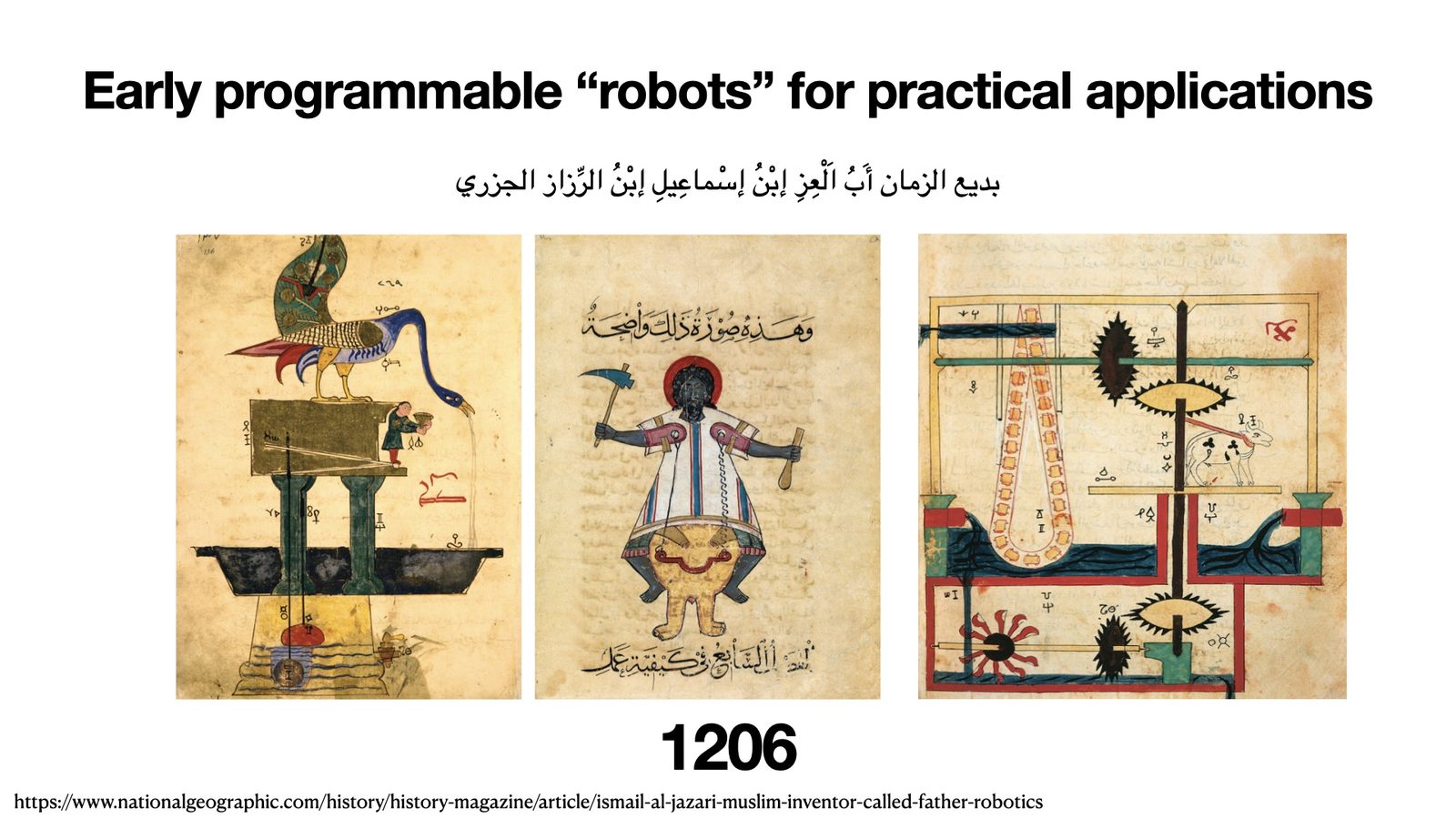
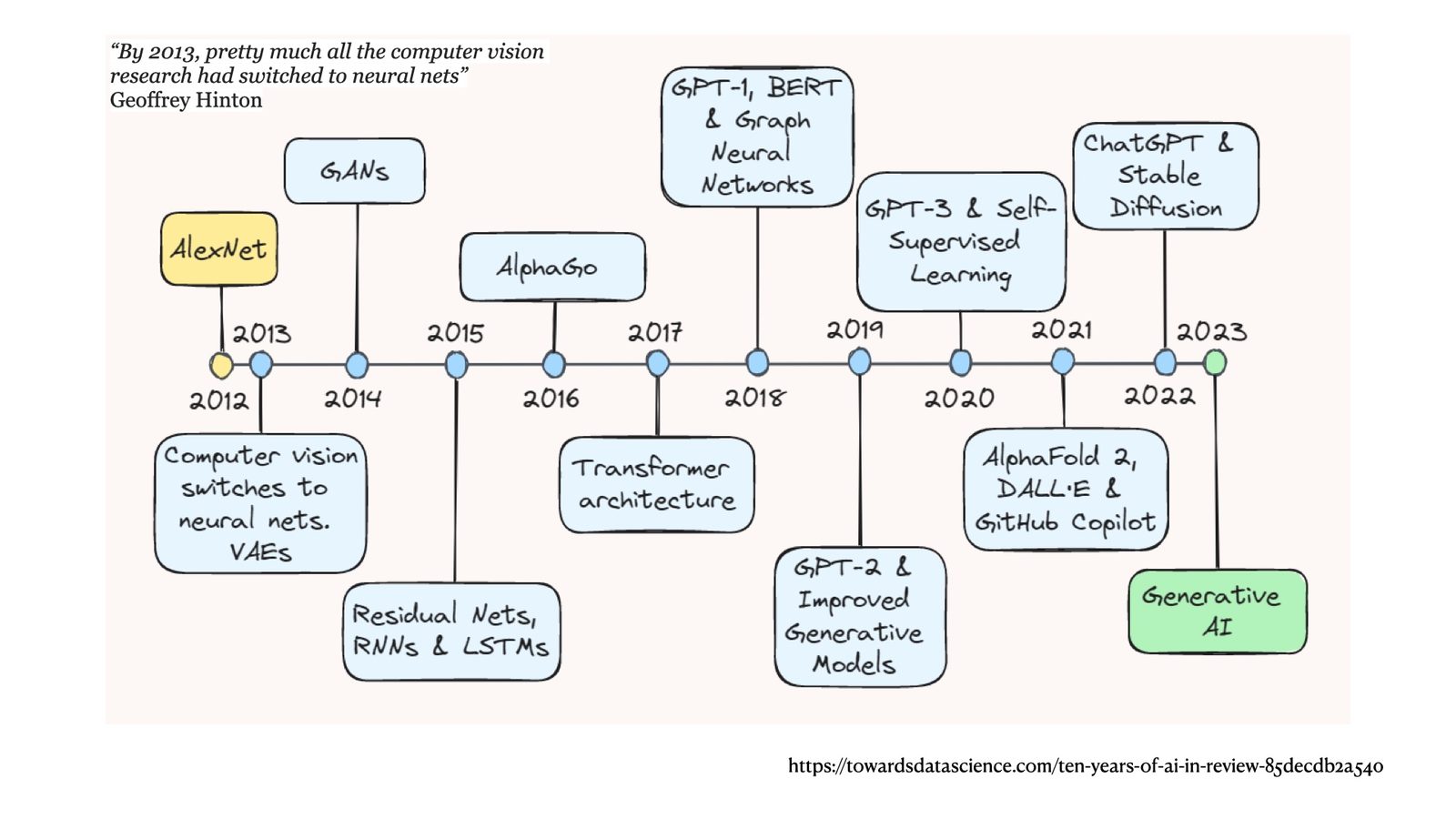
How Did It All Start?
Text to Video
Two lines of prompt. Fifteen seconds of film.
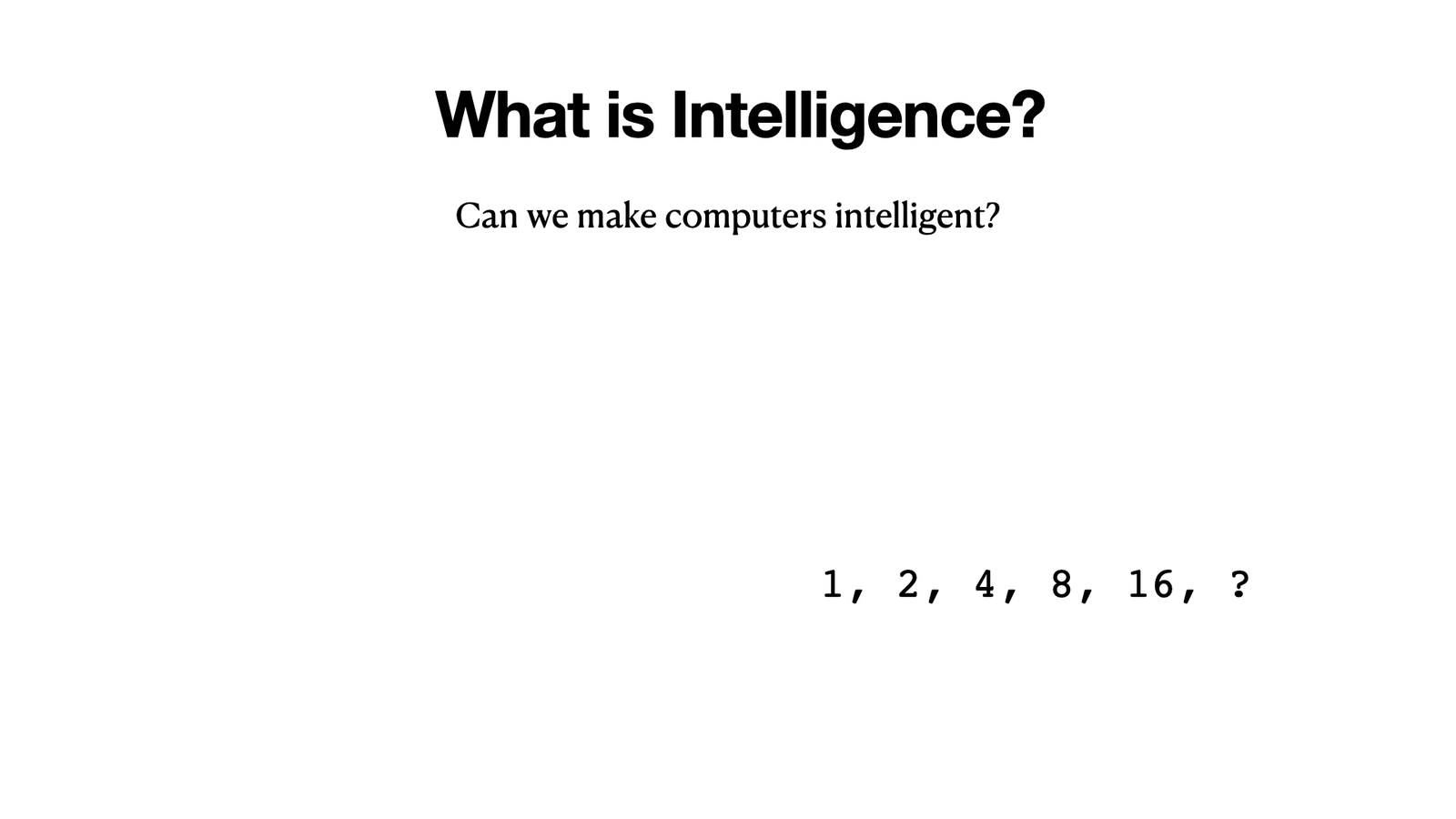
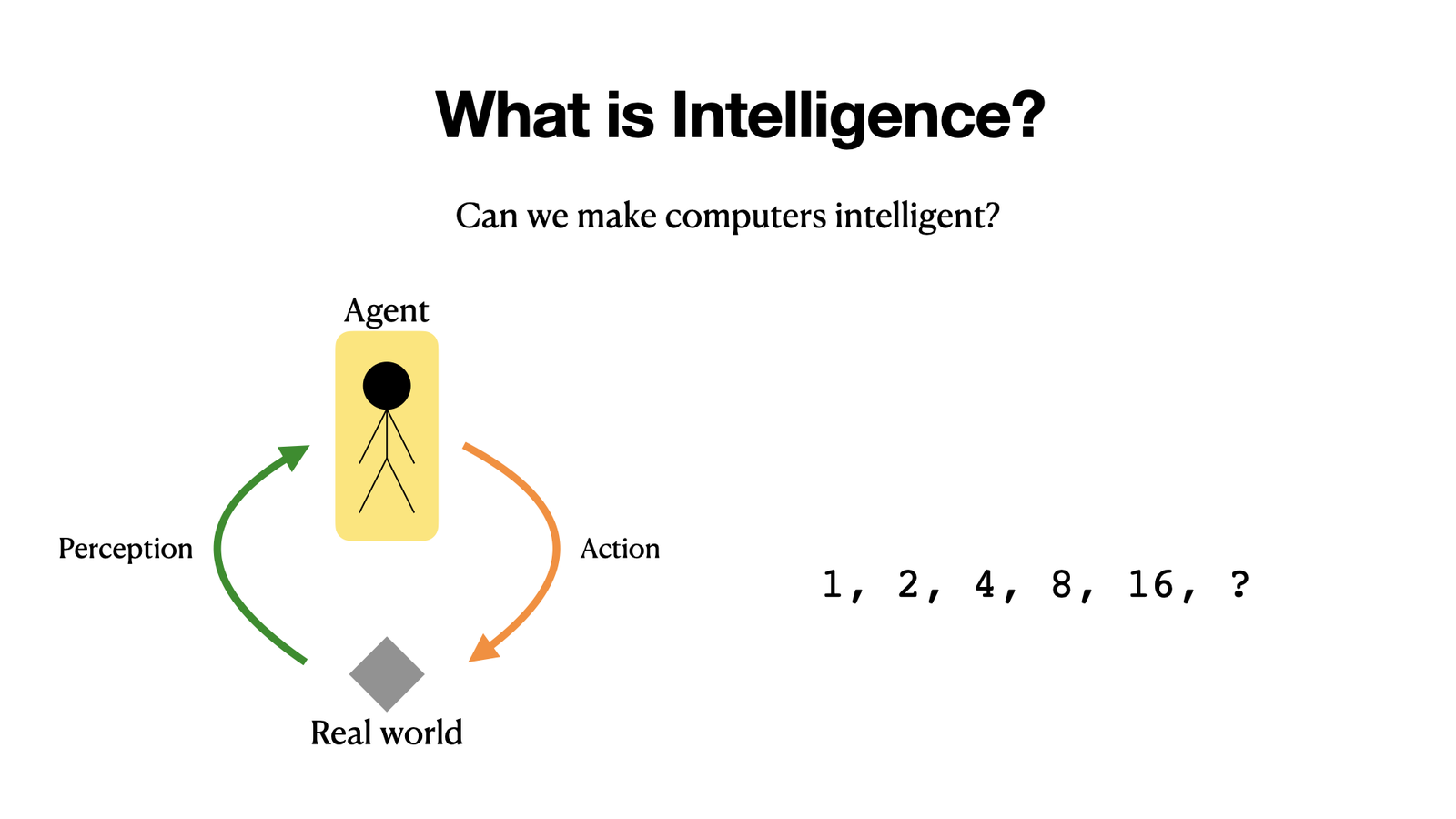
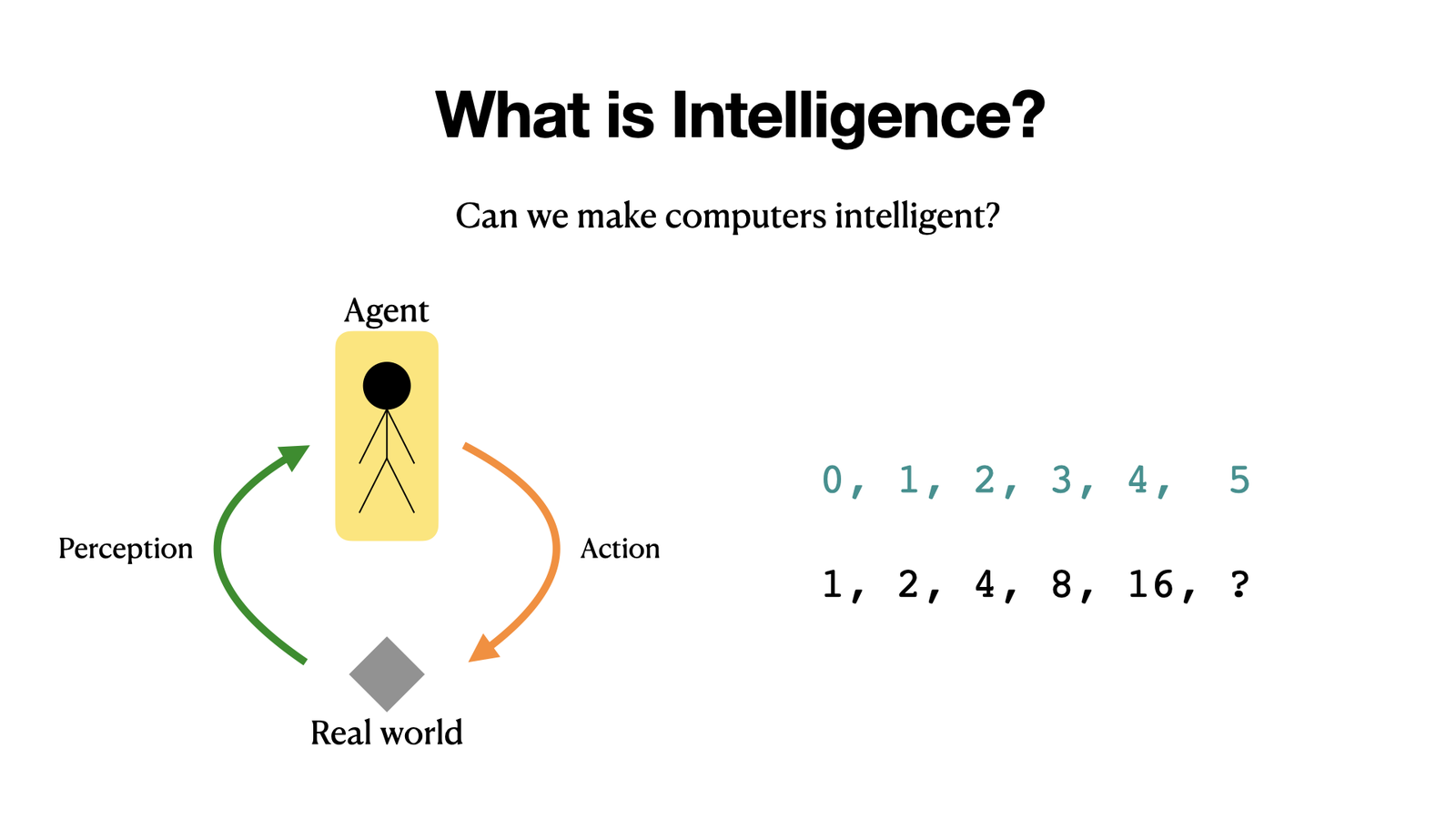
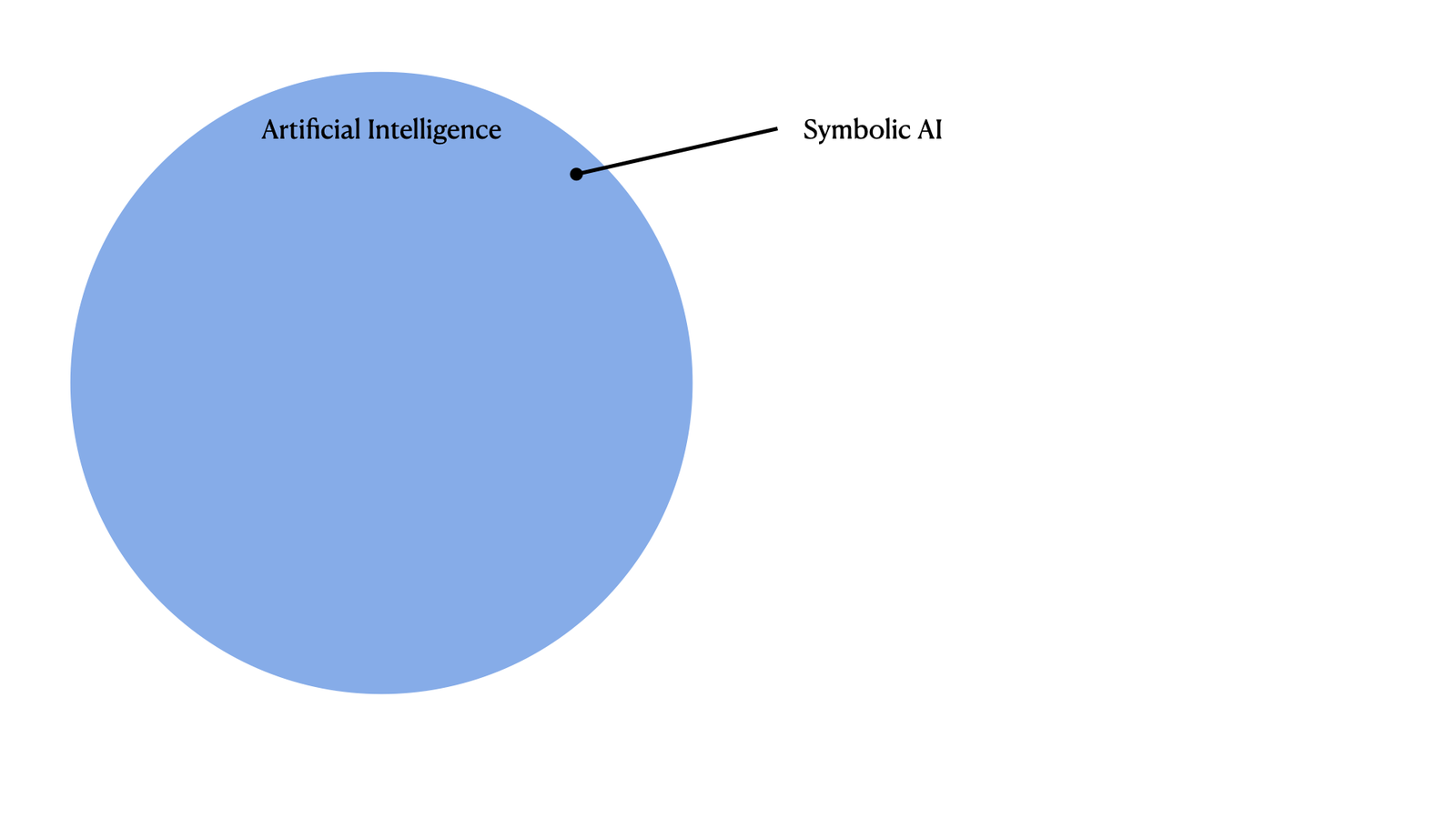
What Is Intelligence?
Can we make computers intelligent?

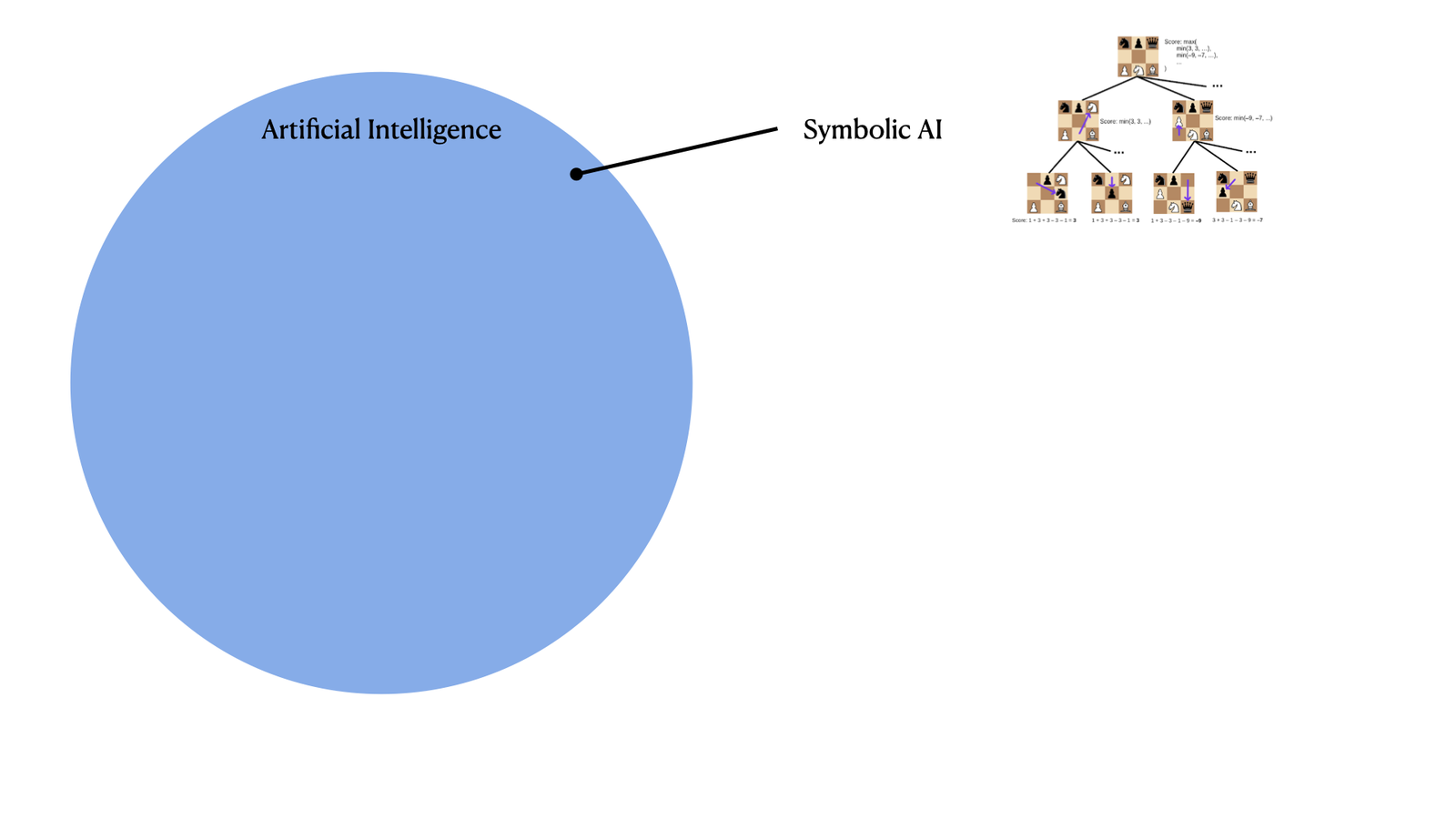
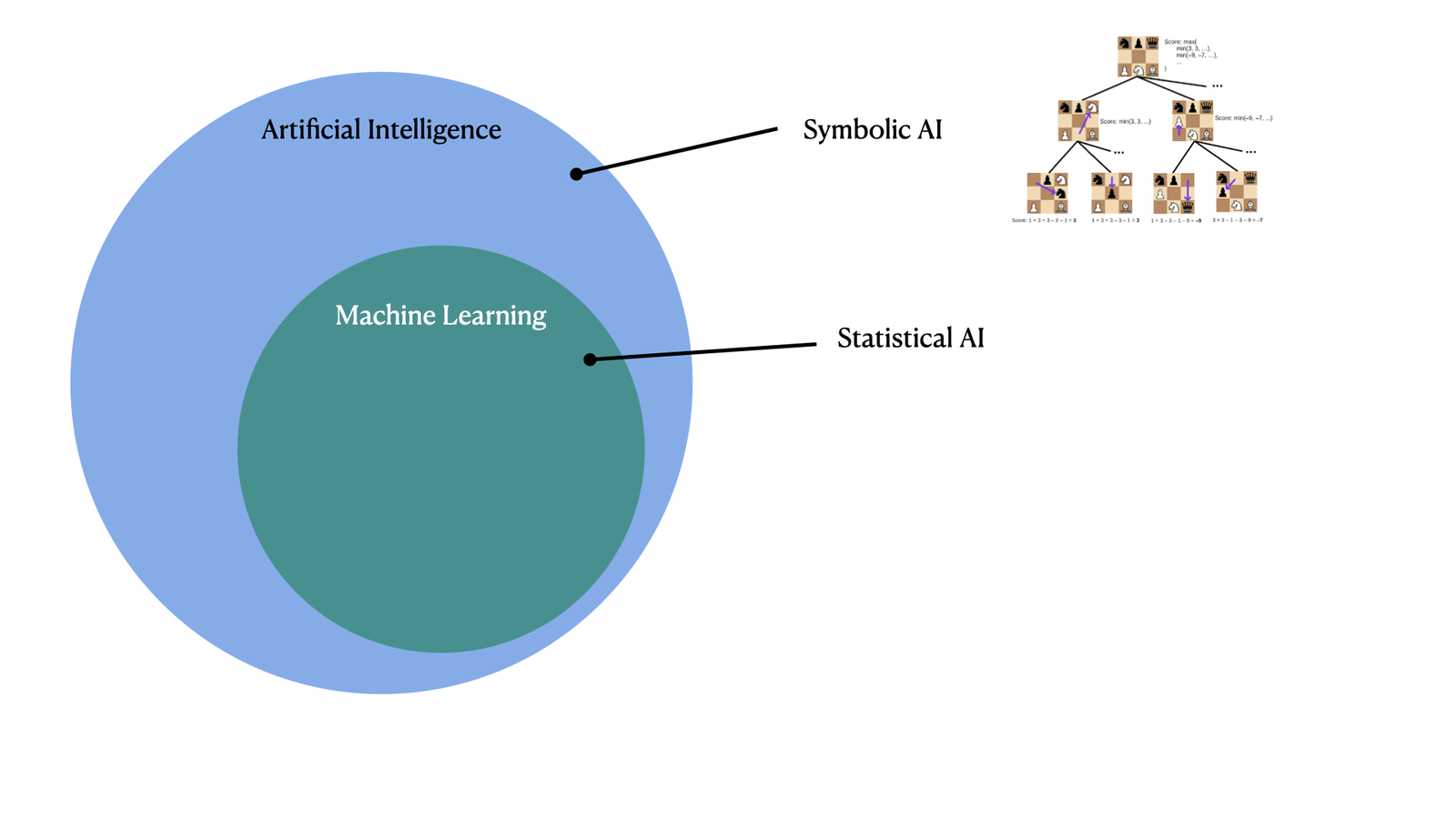
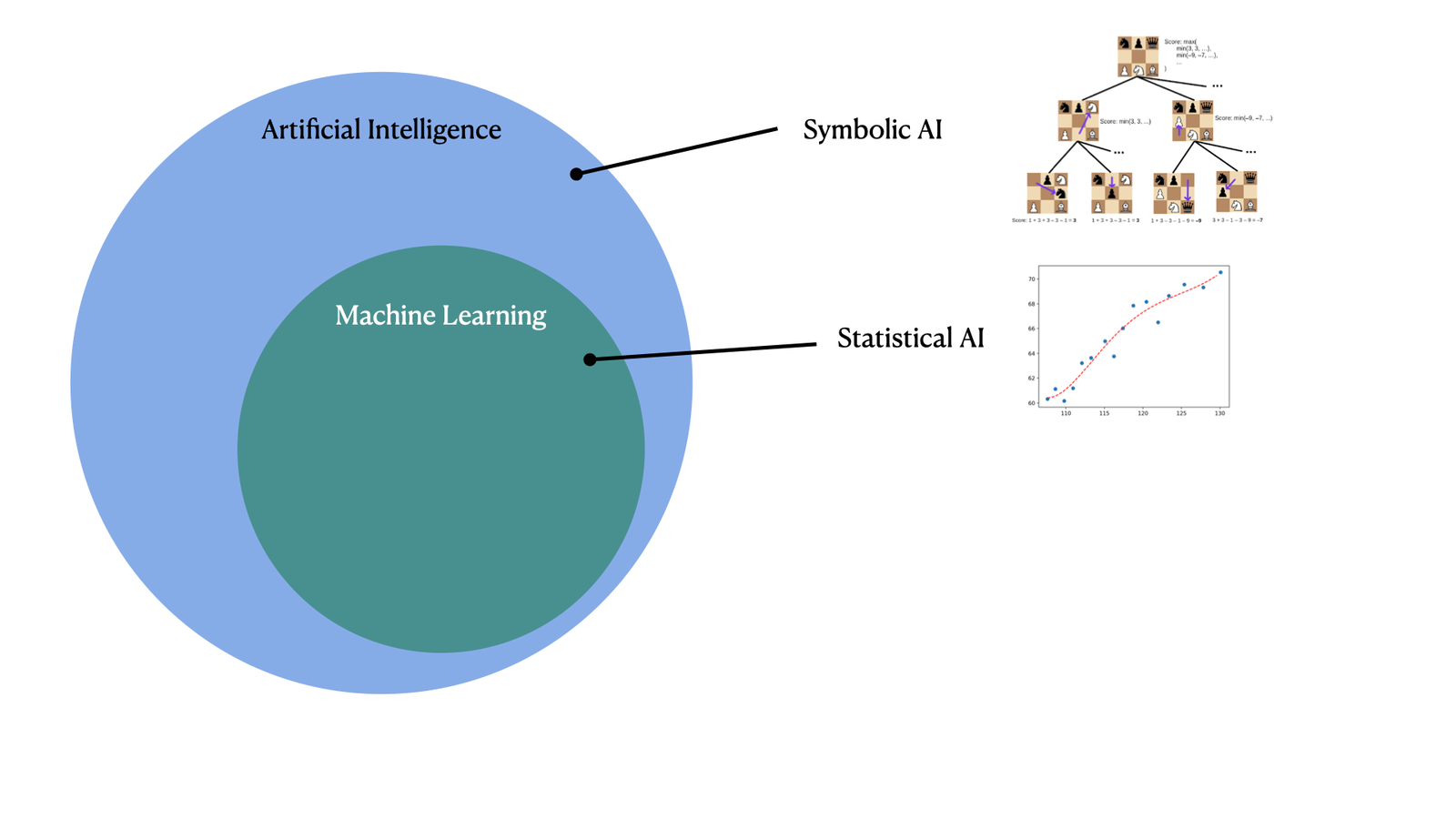
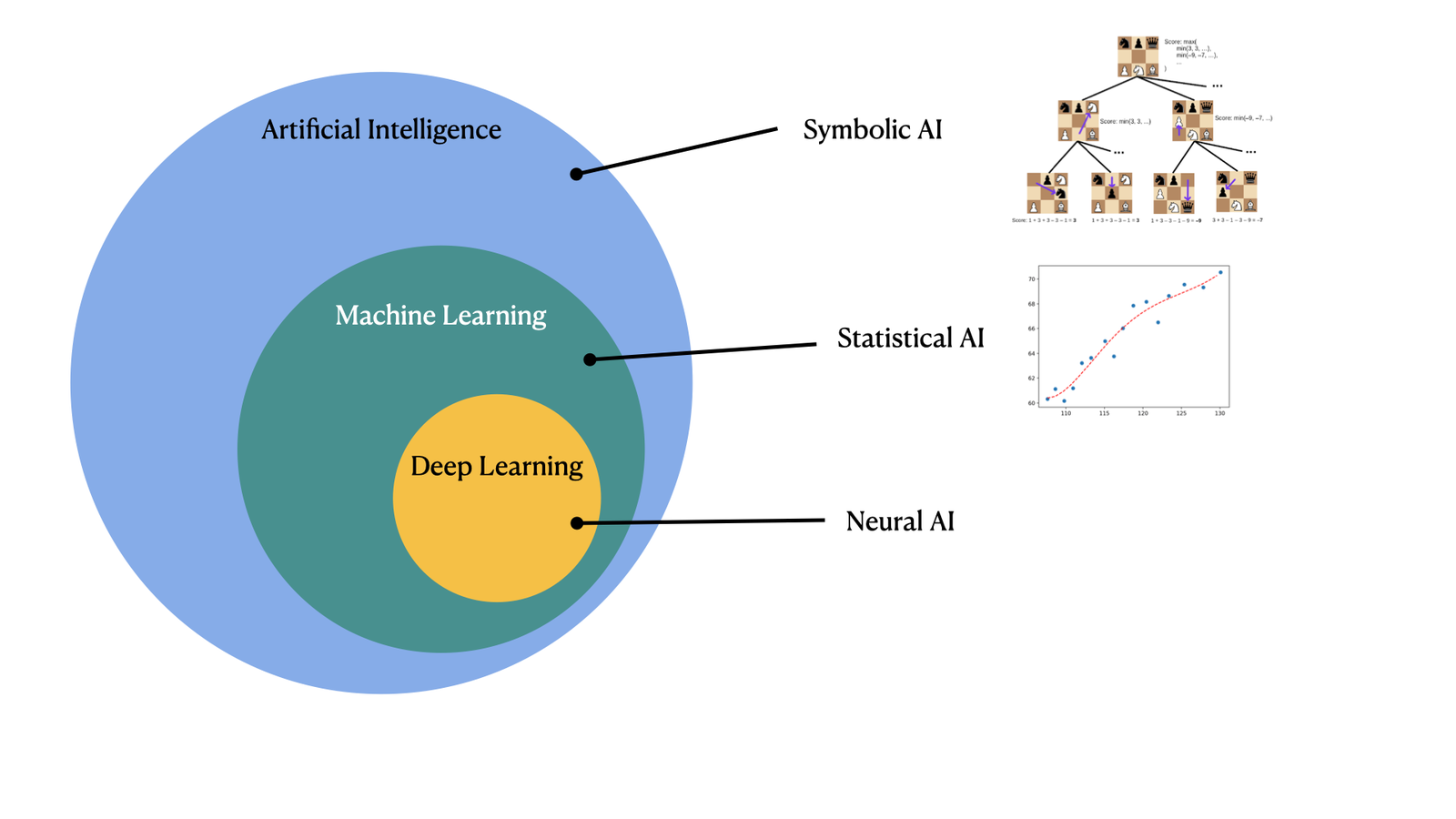
Part II.1
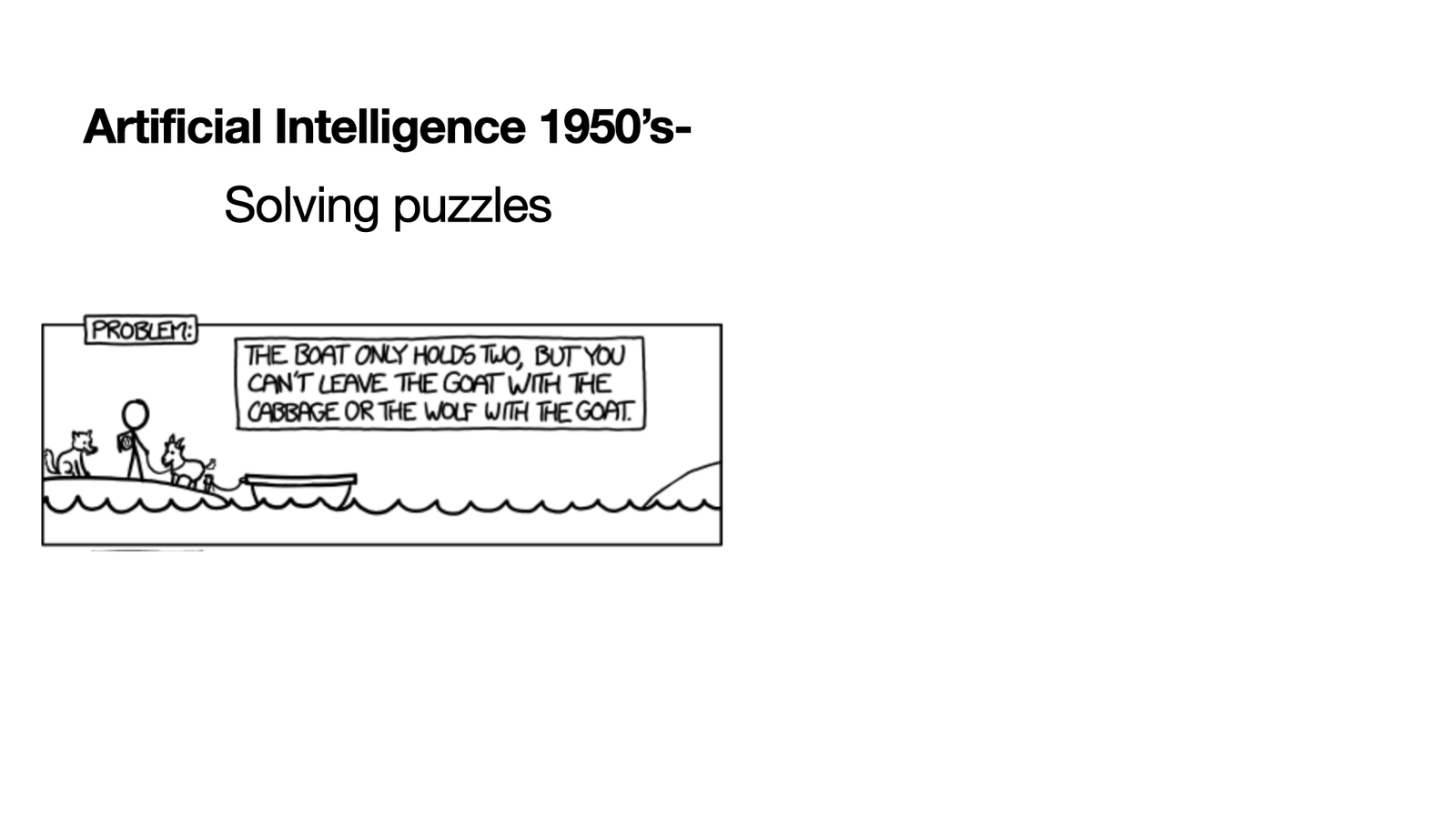
Good Old-Fashioned AI
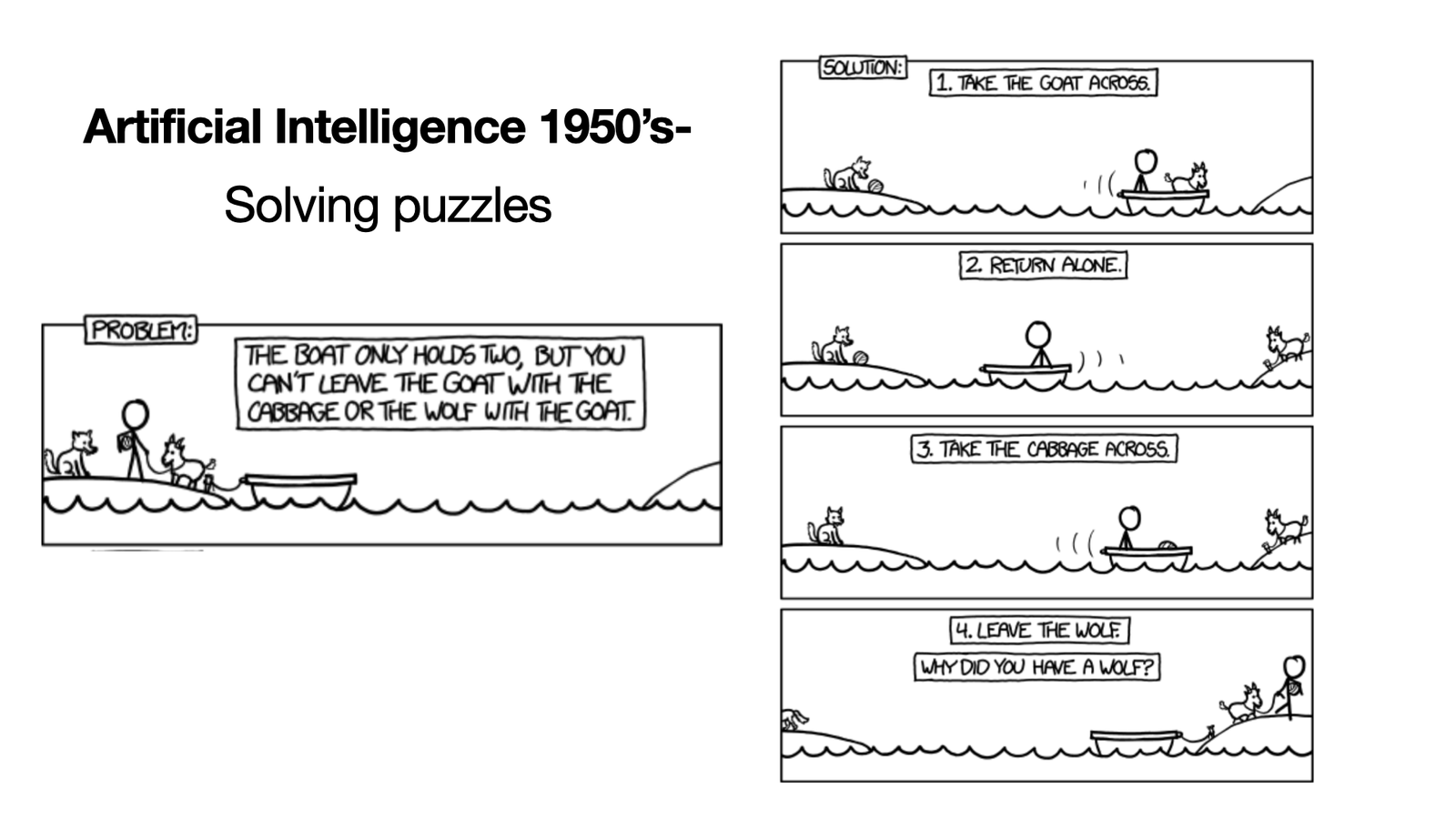
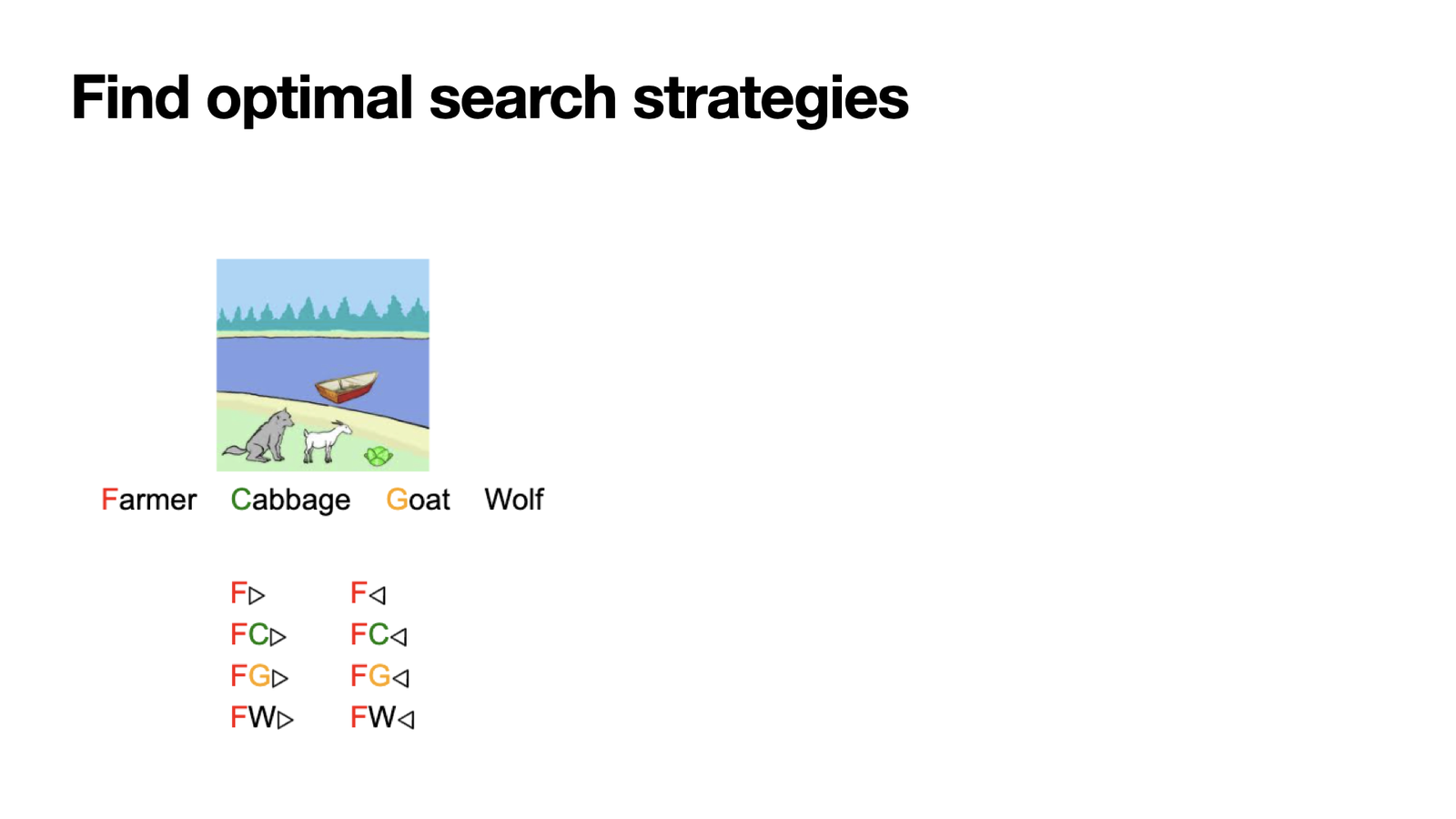
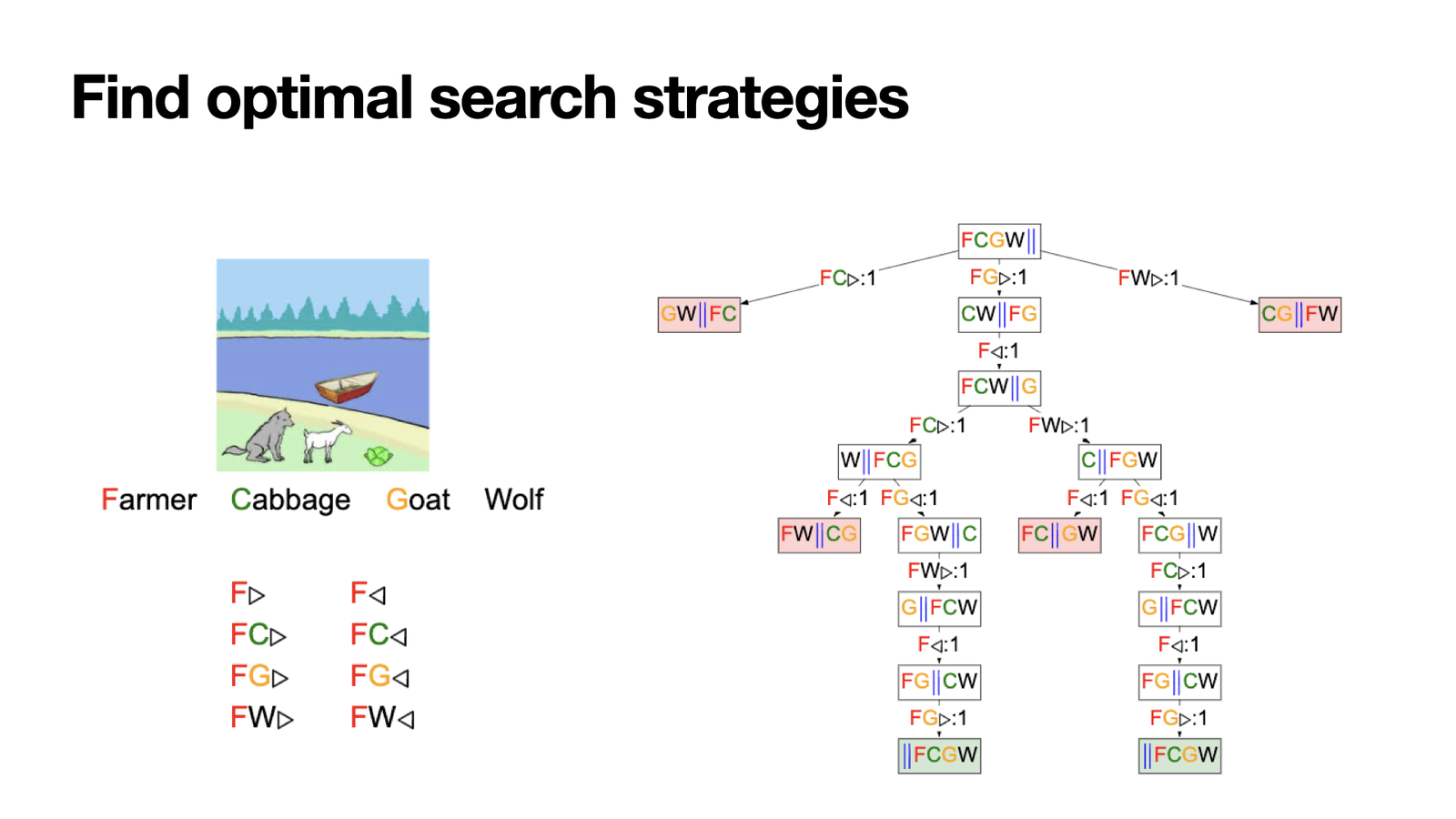
Overwhelming Optimism
Early machine translation, and what came back:
By the end of the 1960s, the optimism had run out.
Part II.2
Statistical AI
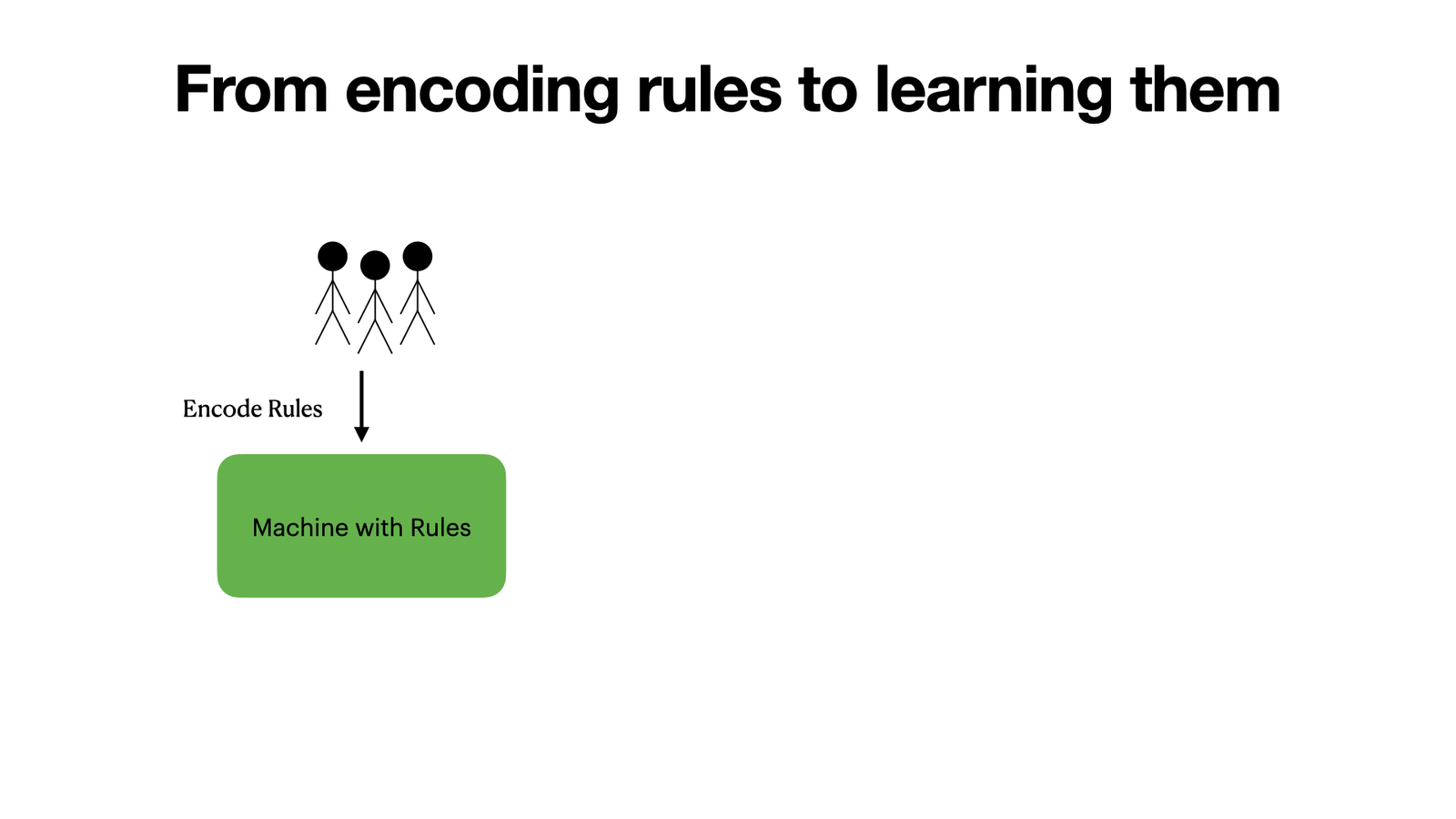
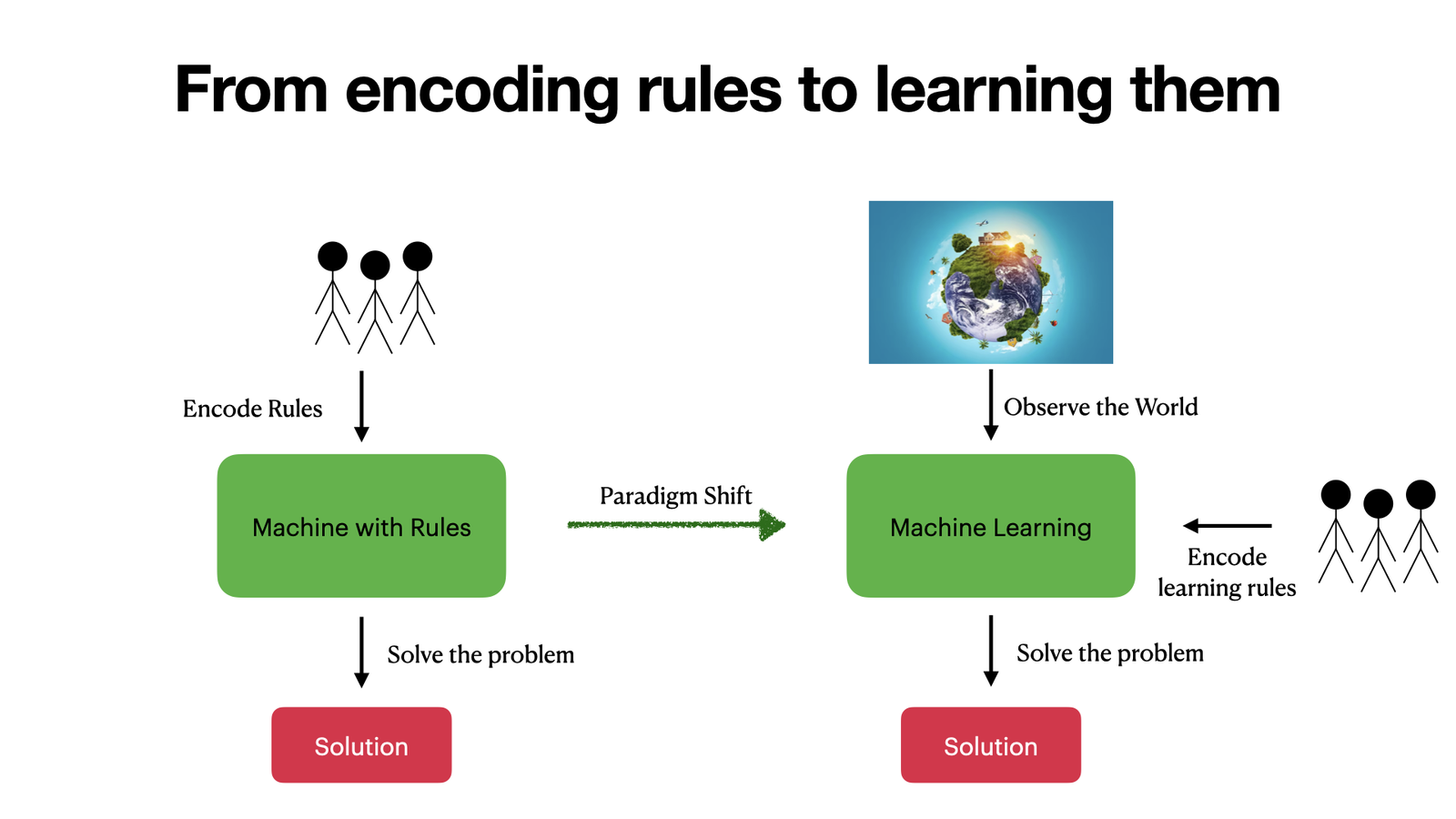
Why the Recent Hype?
More Data
Global data created, captured and consumed, in zettabytes. Statista
Faster Computers
Transistors per microprocessor, doubling roughly every two years. Our World in Data
And What That Bought
| System | Year | Training compute |
|---|---|---|
| Theseus | 1950 | 40 FLOP |
| Perceptron Mark I | 1957 | 695,000 FLOP |
| NetTalk | 1987 | 81 billion FLOP |
| NPLM | 2003 | 1.1 petaFLOP |
| AlexNet | 2012 | 470 petaFLOP |
| AlphaGo | 2016 | 1.9 million petaFLOP |
| GPT-3 | 2020 | 314 million petaFLOP |
| Minerva | 2022 | 2.7 billion petaFLOP |
One petaFLOP is a quadrillion operations. Sevilla et al., Compute Trends Across Three Eras of Machine Learning, 2022.
Or Just Ask For the Plot
The same numbers, handed to a language model with four words of instruction.
import pandas as pd
import matplotlib.pyplot as plt

df = pd.DataFrame(data)
plt.plot(df["Year"], df["FLOPs"],
         marker="o", color="red")
plt.yscale("log")
plt.show()
It wrote the code, chose a log scale without being asked, and was right to. Knowing why a log scale is the right choice here is still your job.
Part III
What's Machine Learning?
Find a Pattern in the Data
A Lot of It Is Curve Fitting
Find a function \( F \) that maps \( X \) to \( Y \): the same points, now with a line through them.
What Could X and Y Be?
Sometimes It Is About Clustering
Same points, no labels. The only question is which ones belong together.
Sometimes It Is About Projection
Pick a direction, and squash every point onto it. Drag the handle.
Sometimes It Is About Graphs
A social network is data too: people are nodes, and who follows whom are edges.
Who should this account follow next? Which of these people form a community? Both are questions about the shape of the graph, not about any one person.

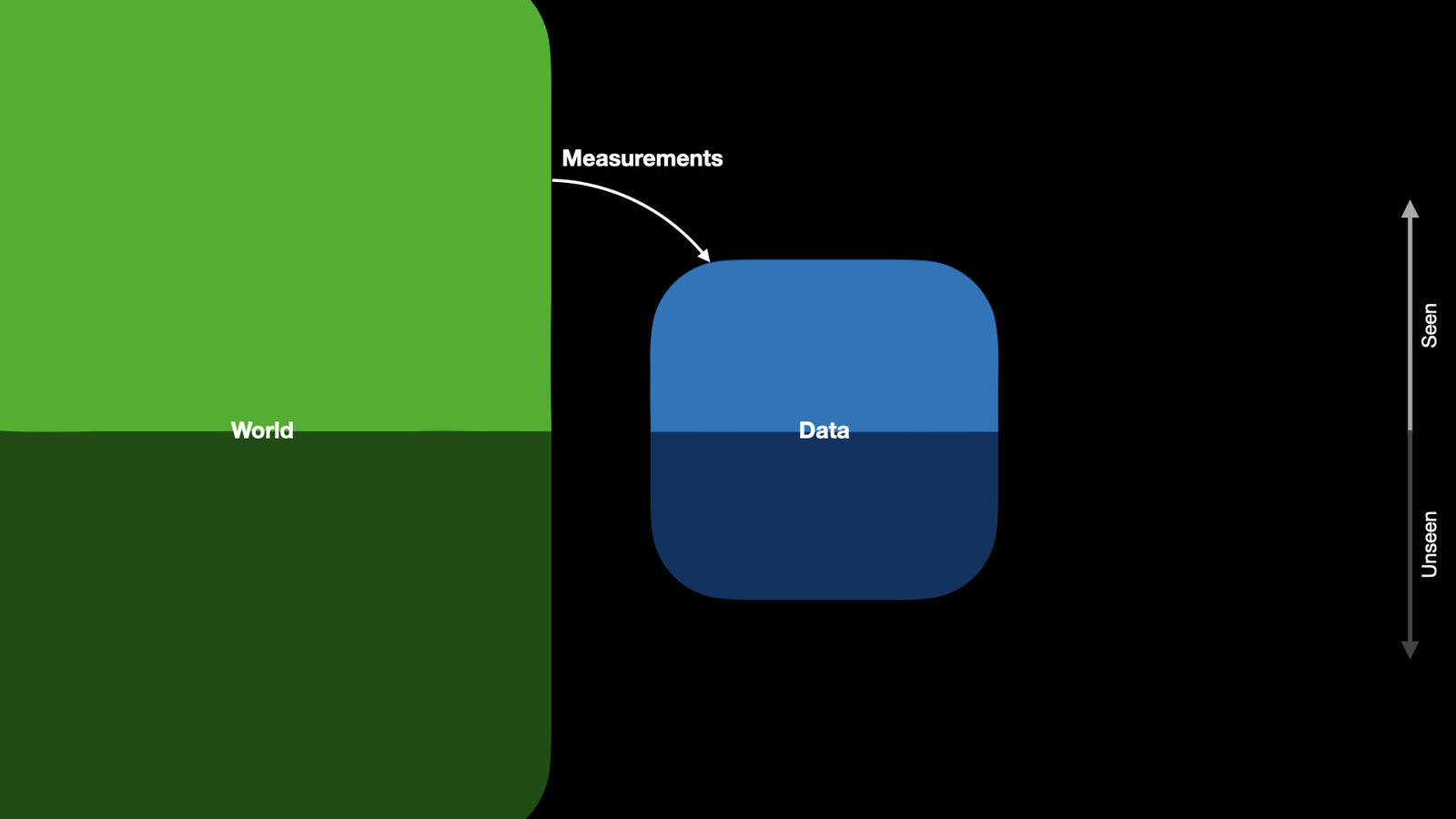
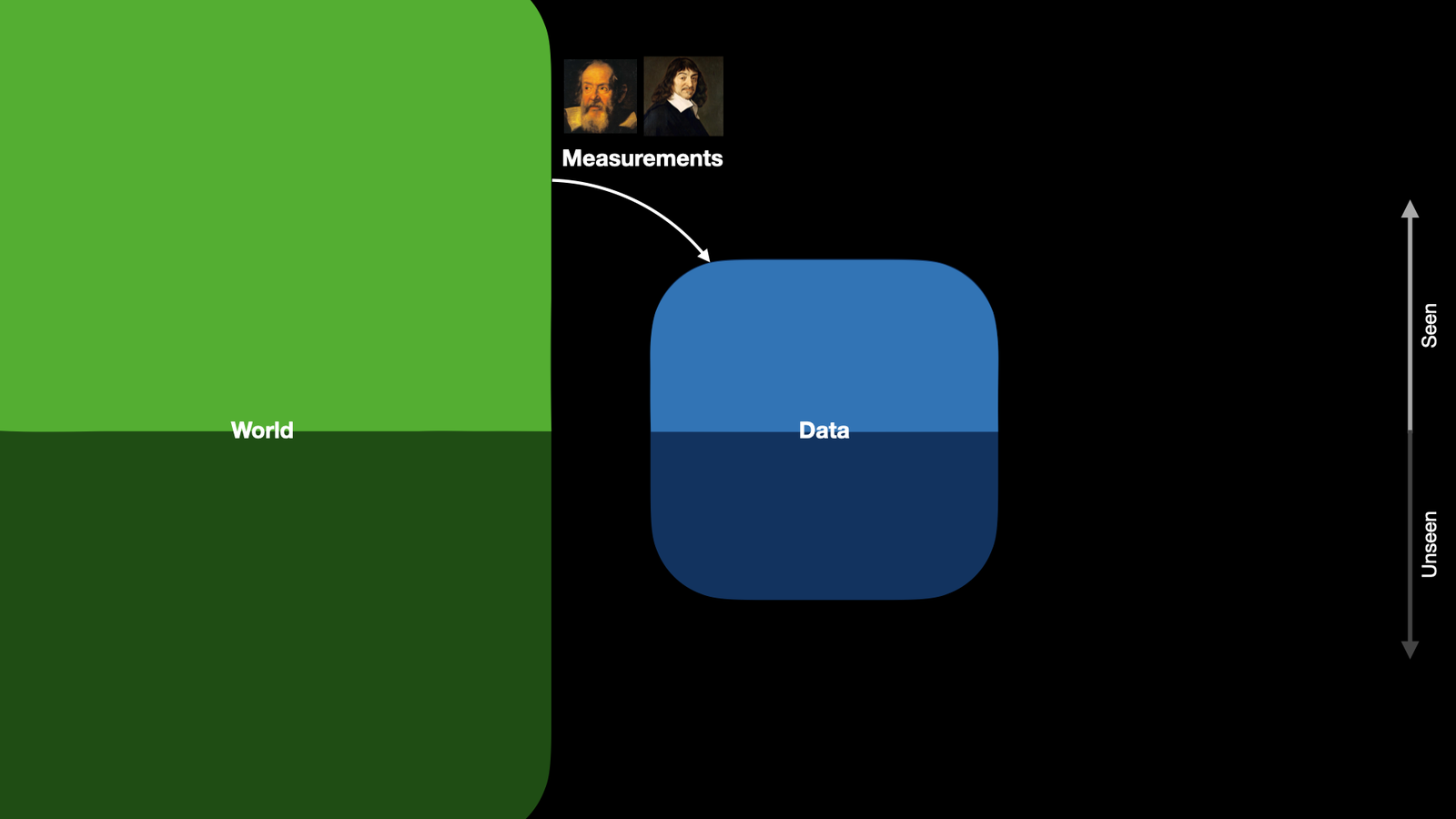
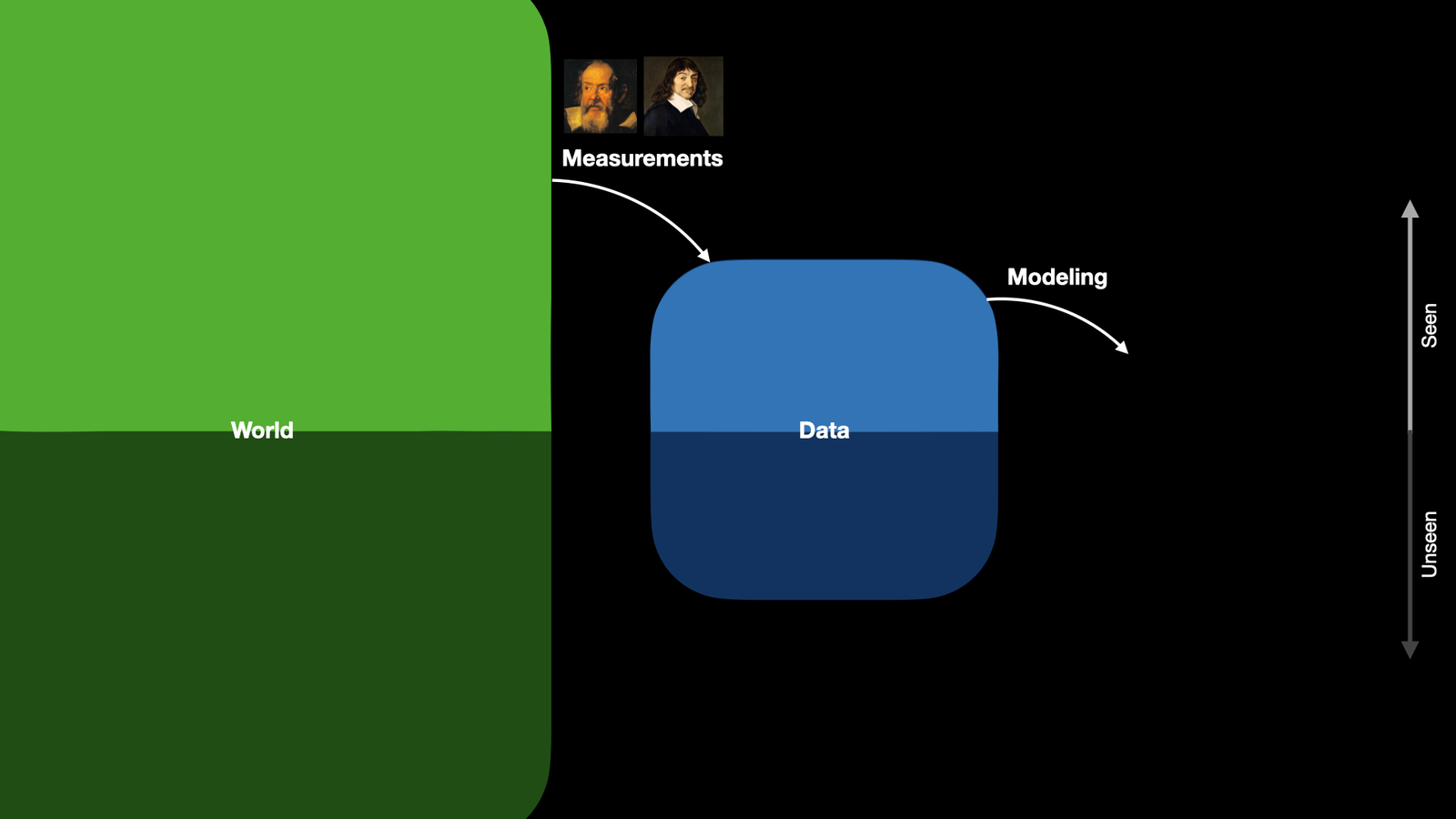
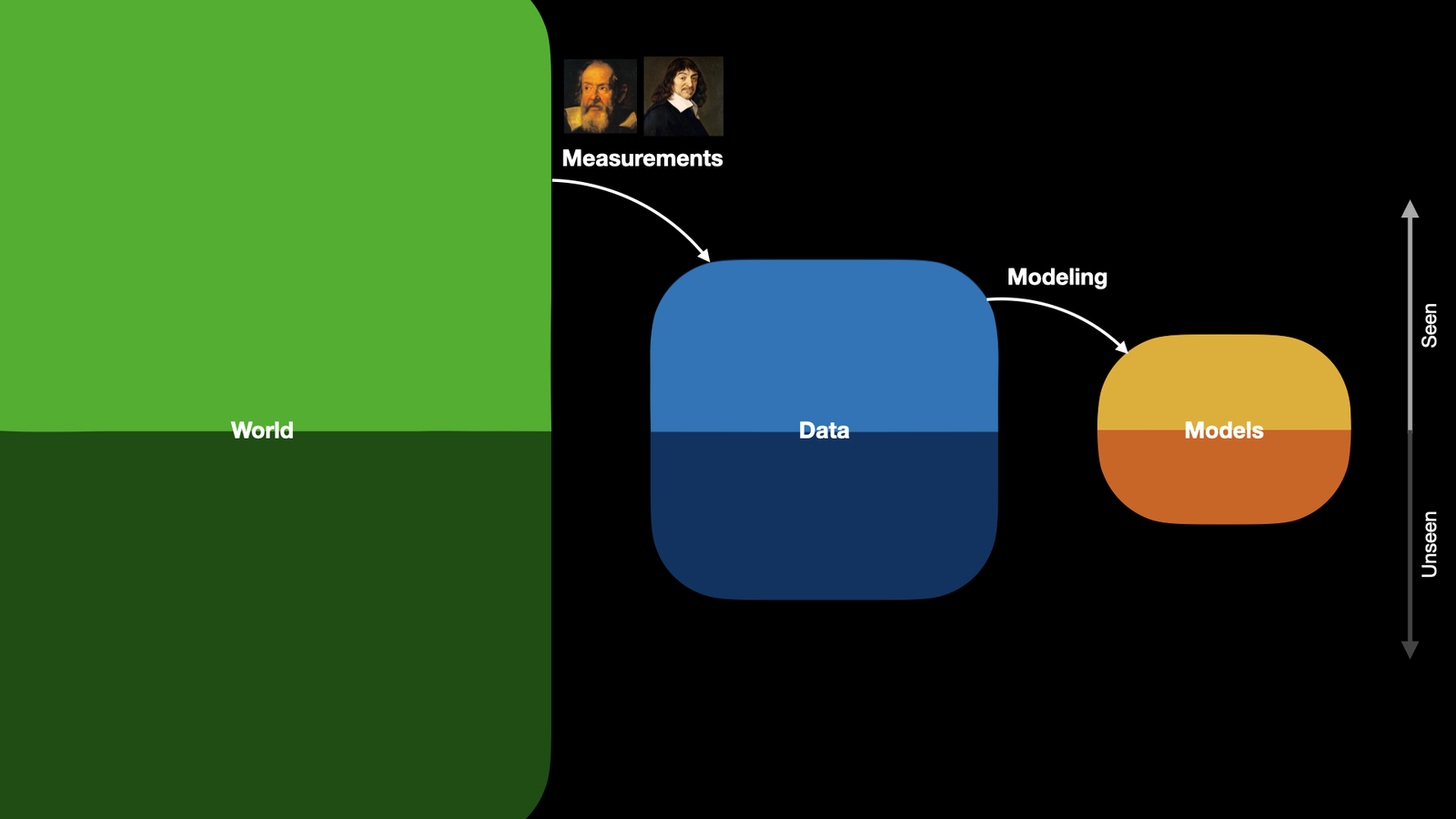
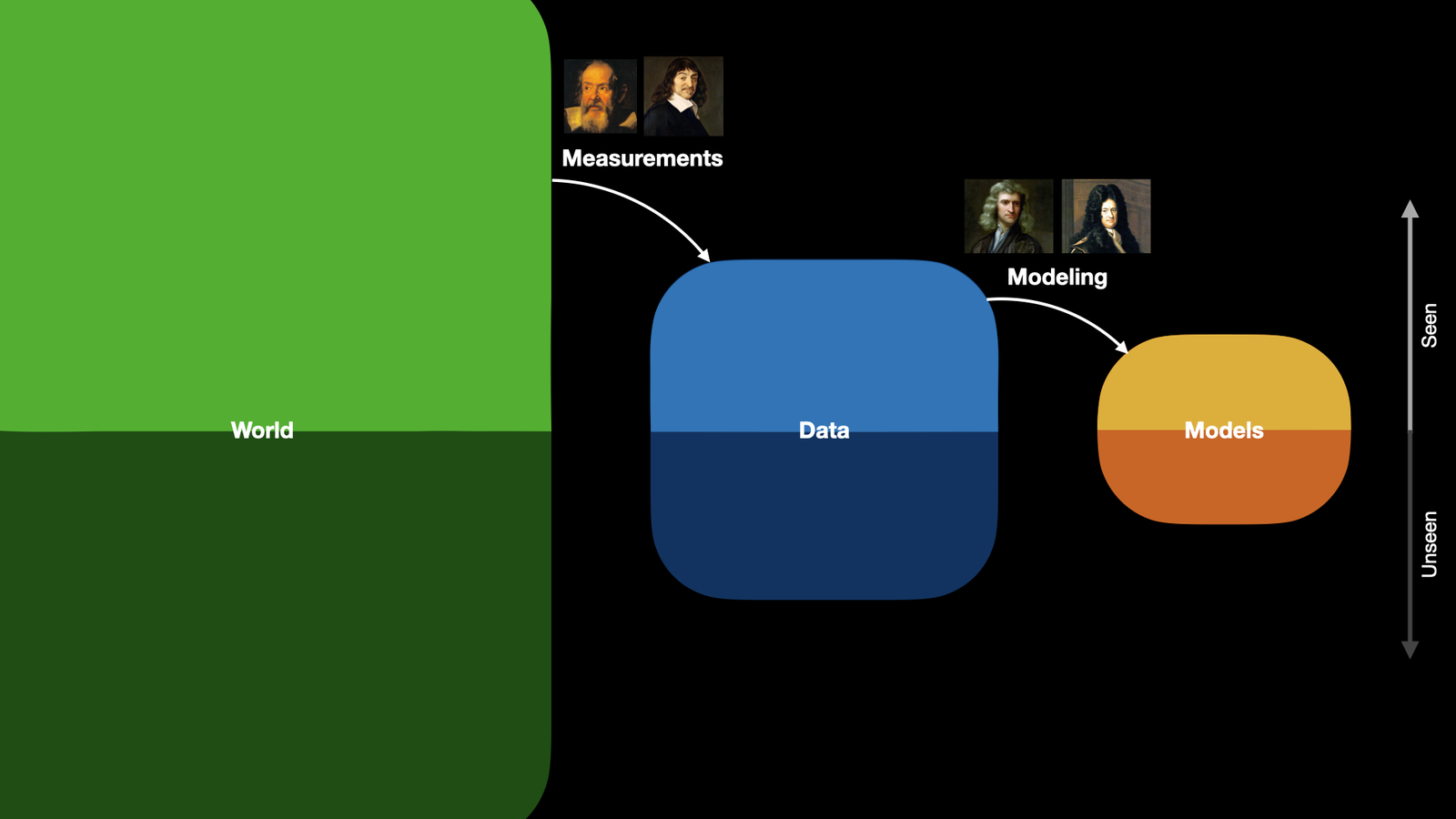
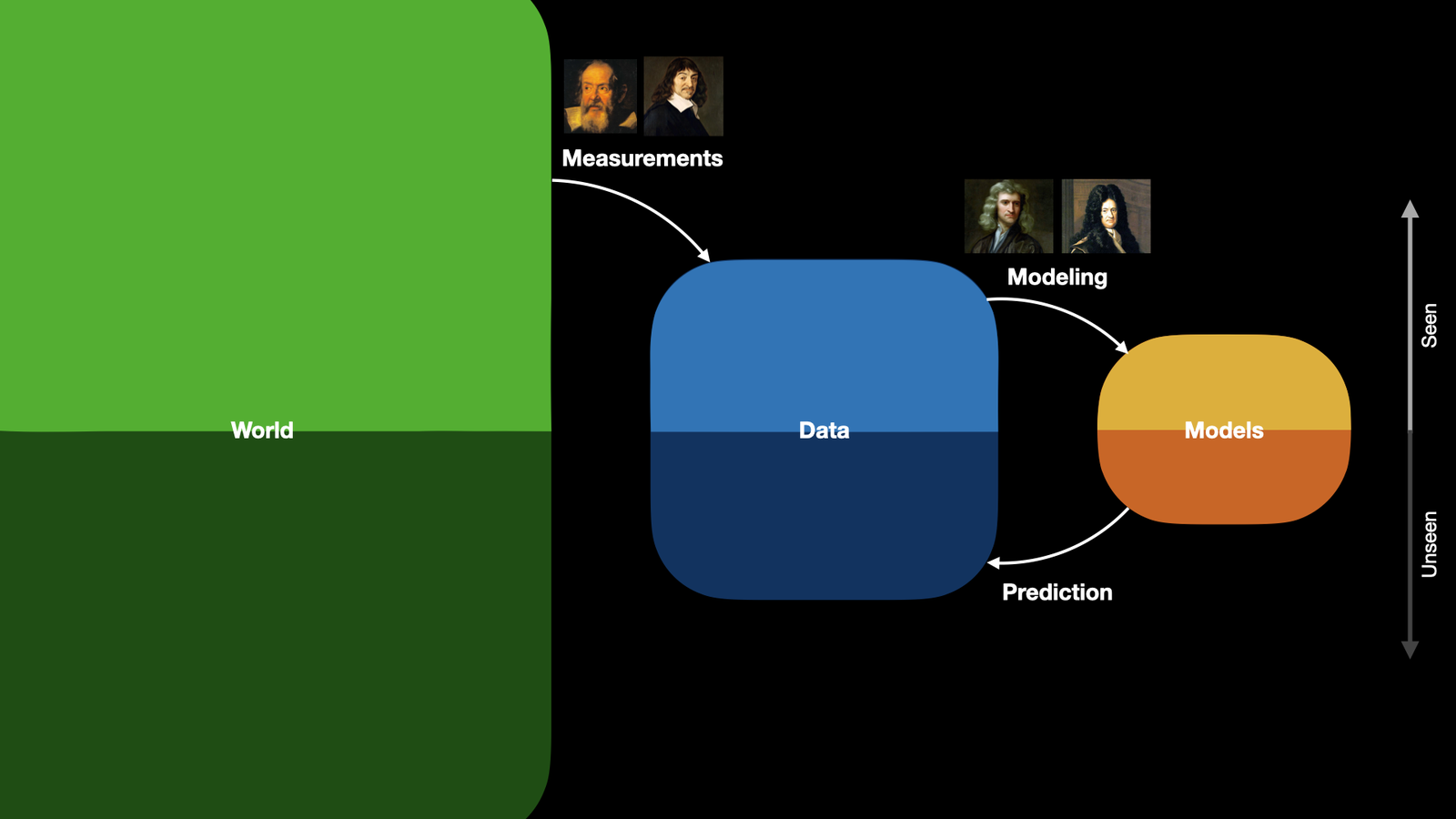
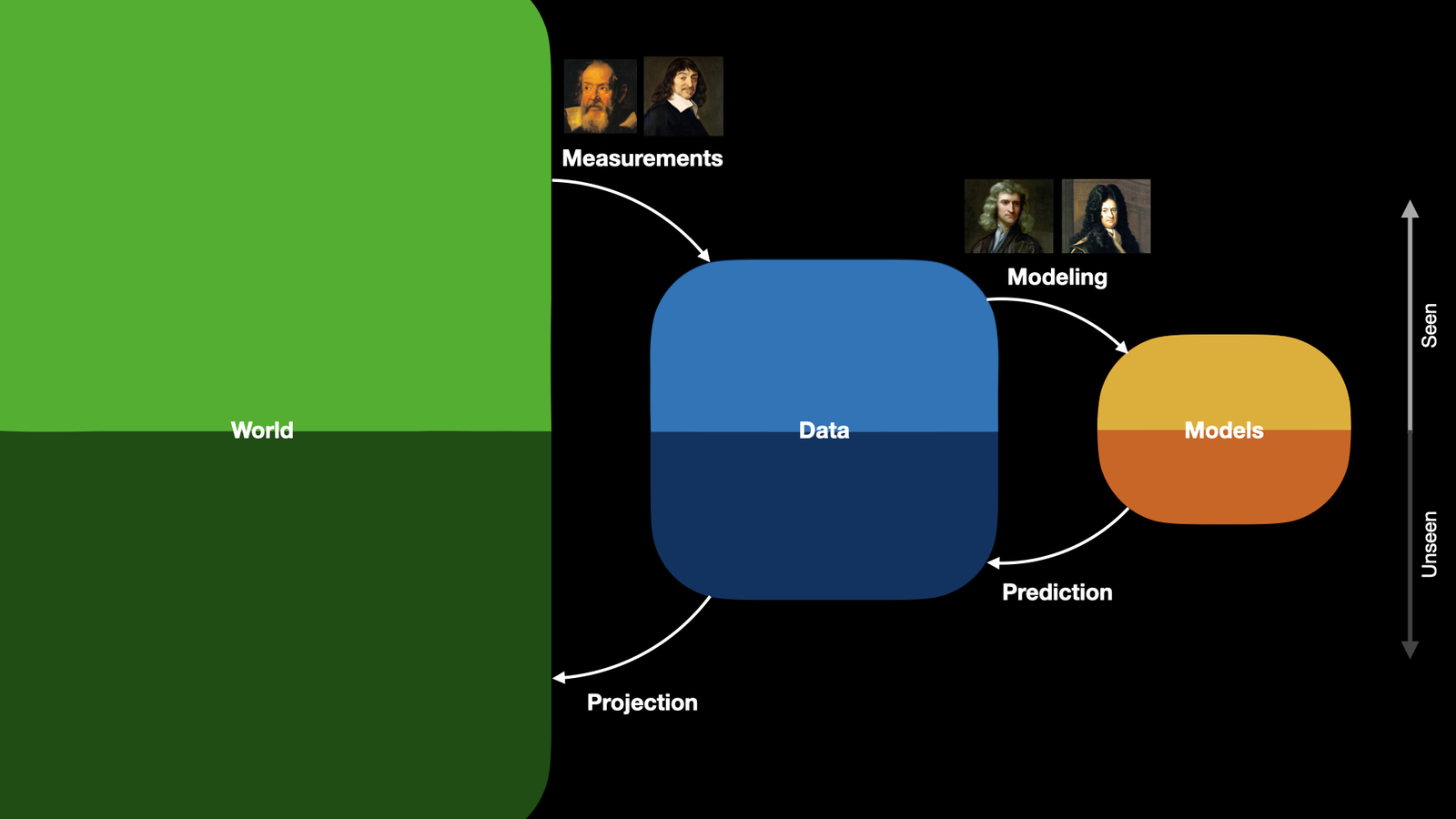
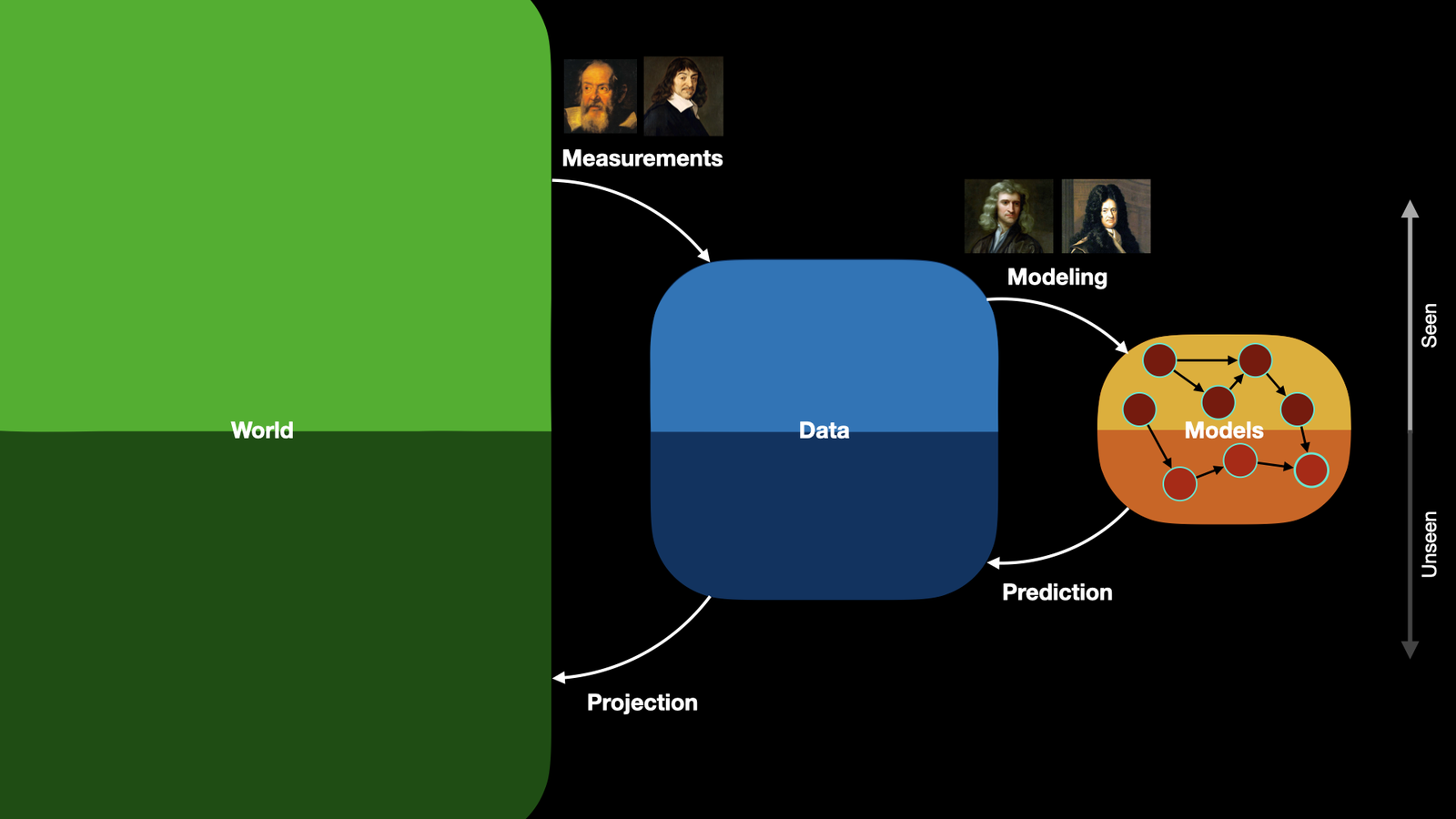
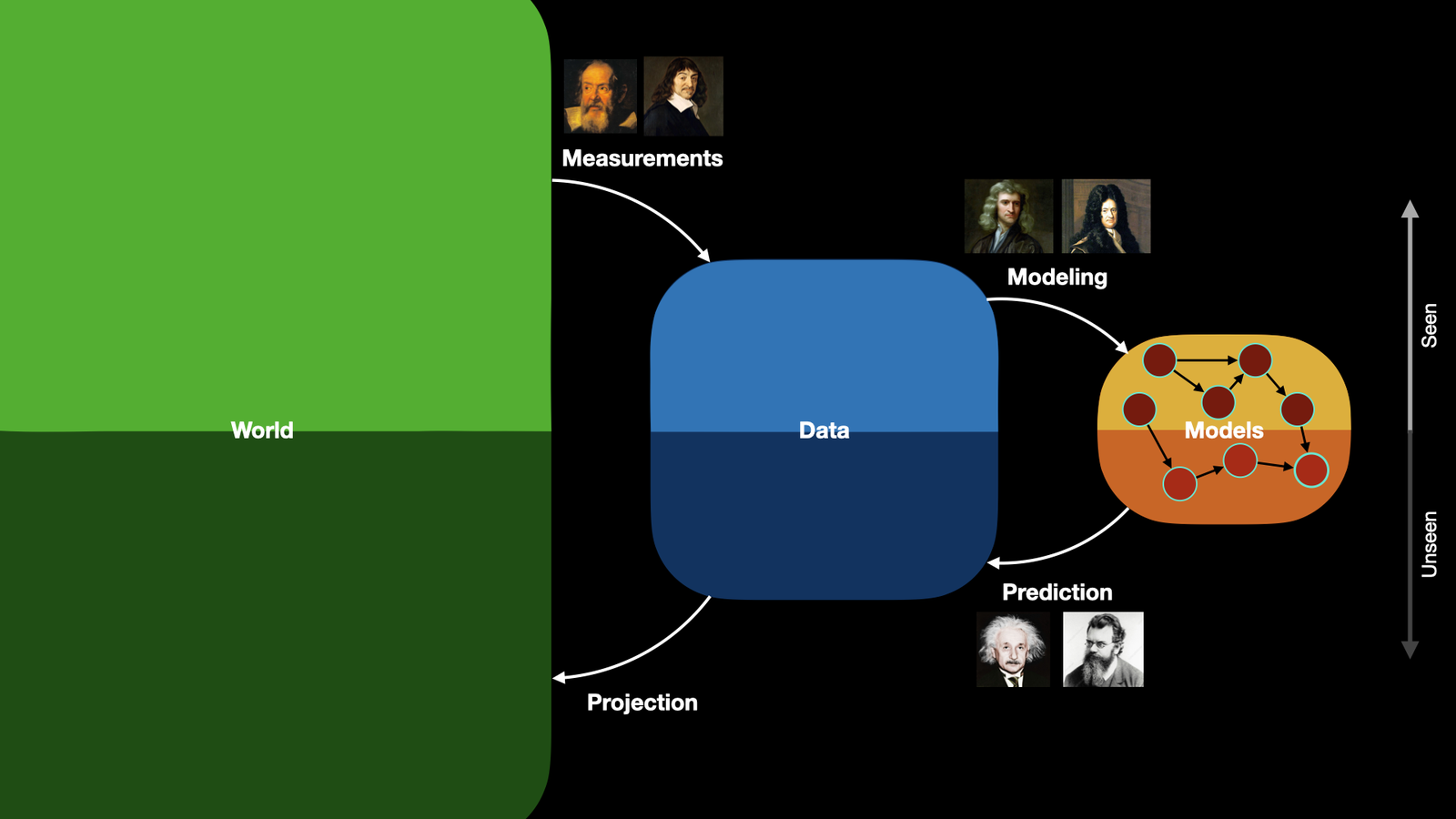
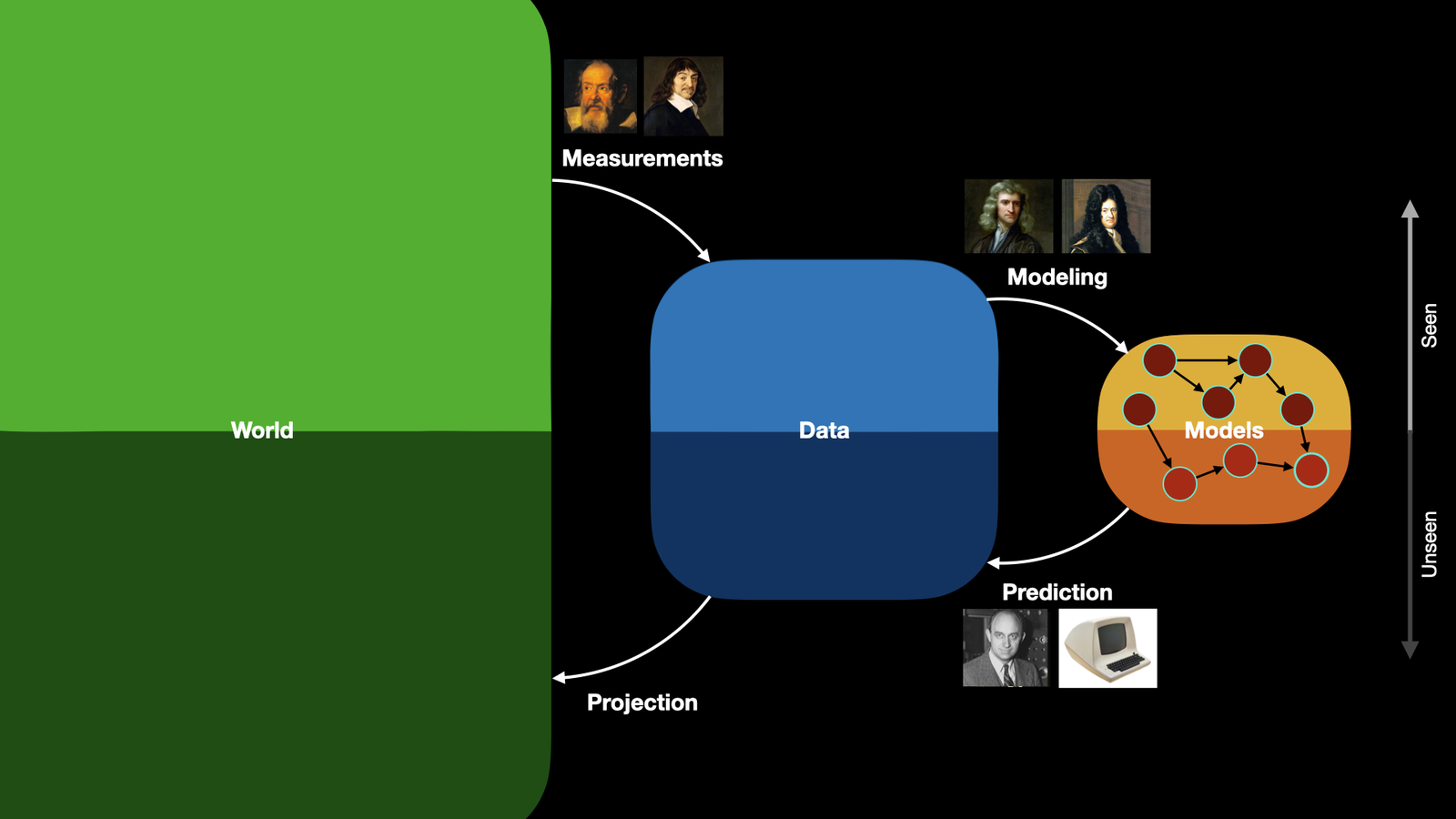
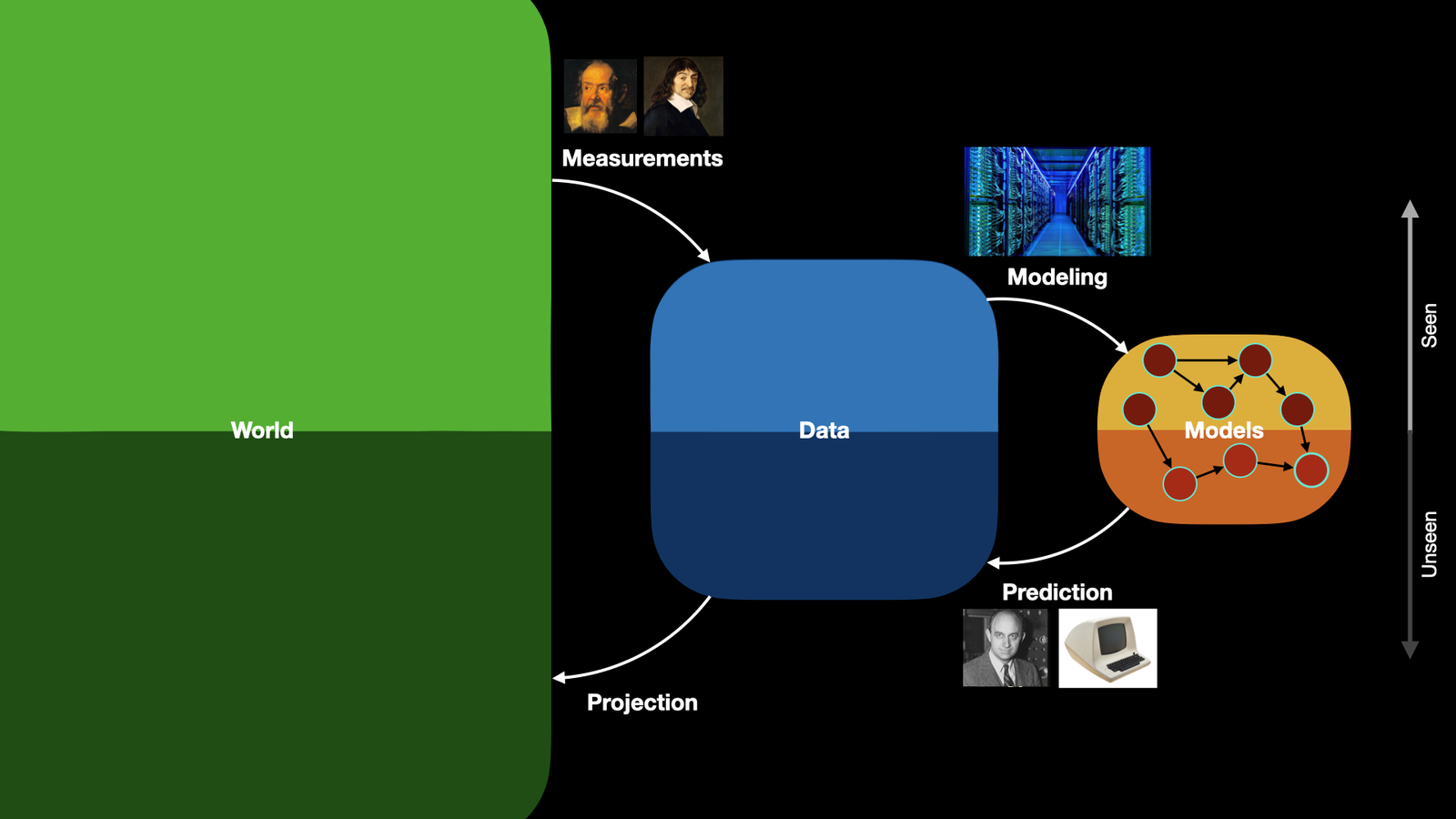
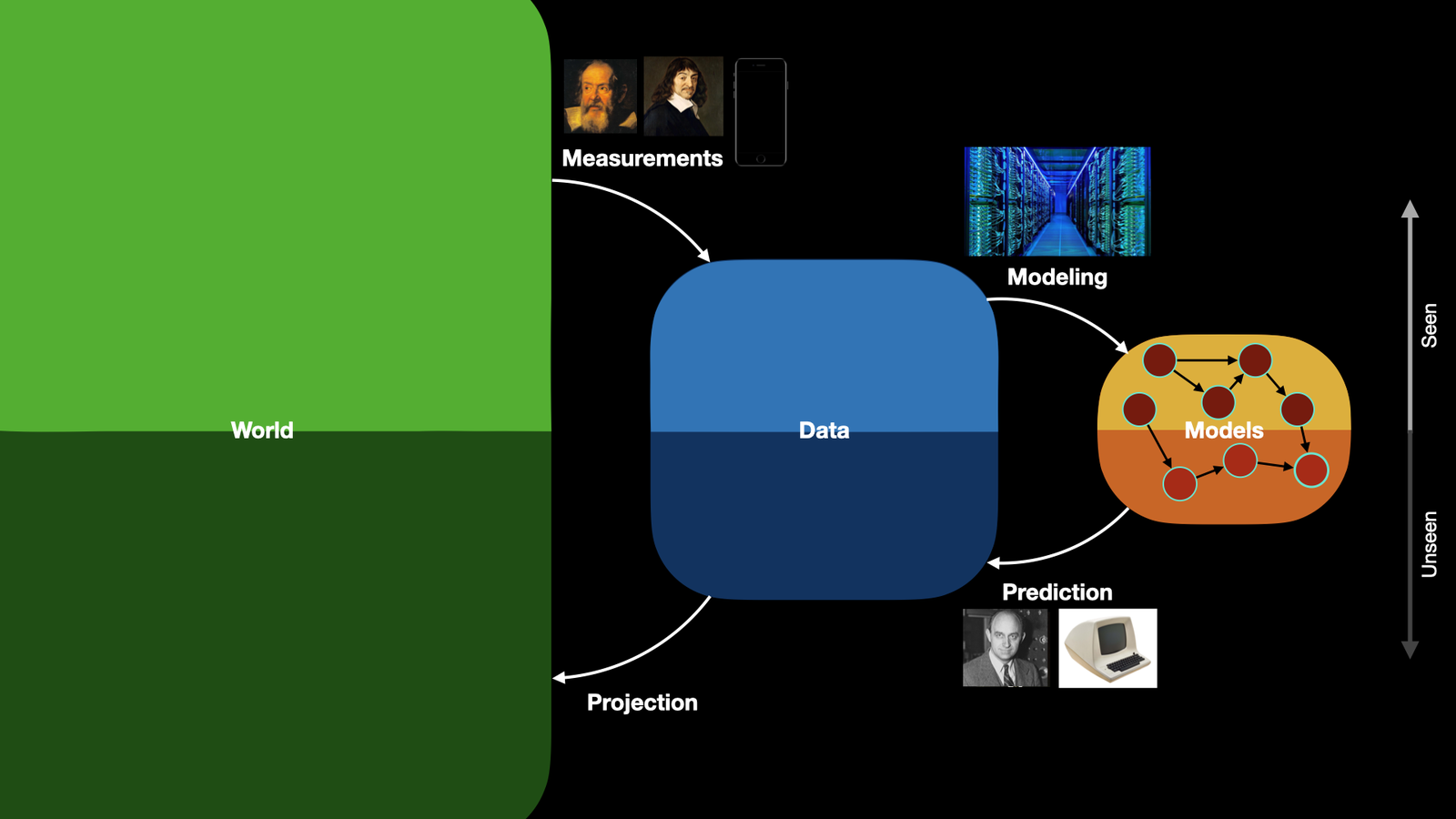
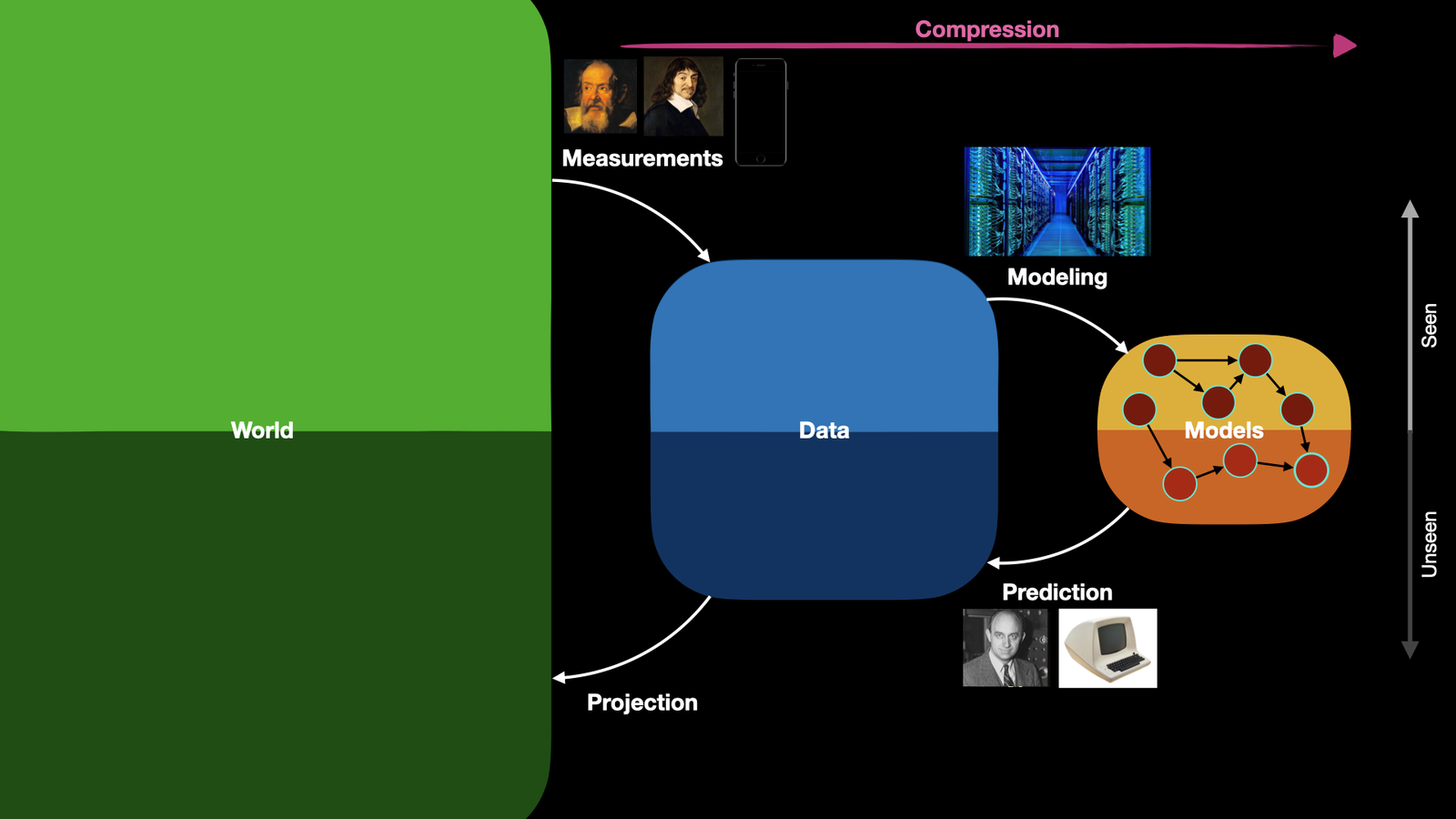
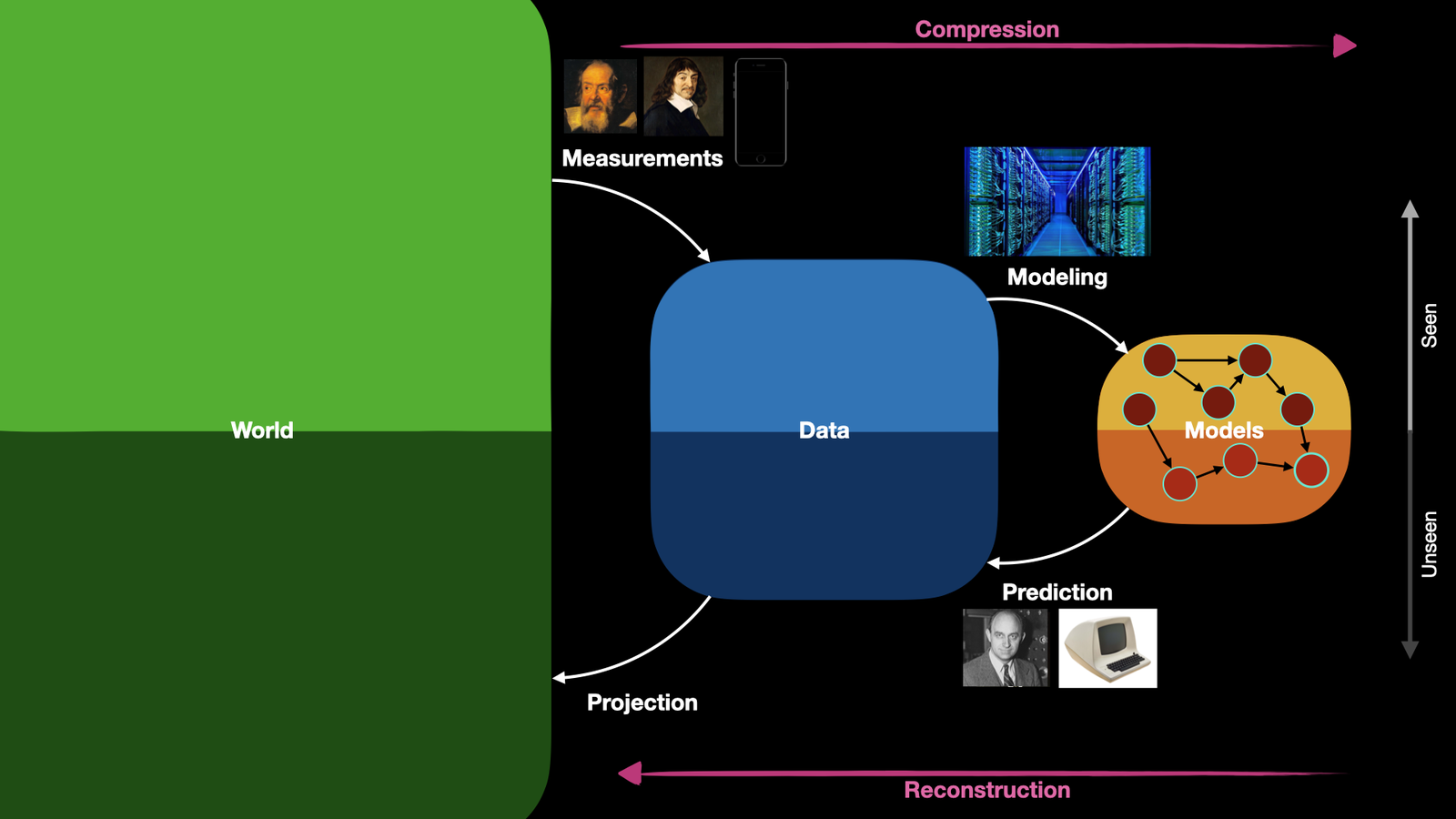
A Journey, Not a Course
- Instead of purely handing you information, I want to reward learning initiative. What we all know will keep changing.
- You decide the directions your learning takes, through Slack, the course website, and the project. Autonomy and initiative again.
- You give feedback on the course content, and on where and how you would like it to go. You can improve the slides by adding comments.
- To make this more of a social learning experience, there is a Slack channel you will be added to, where we hold discussions. It counts towards your participation grade.
How the Learning Happens
- Flipped. A video before most classes. Class time is for thinking together.
- Interactive slides. Read them like a story. I appear from time to time to make you stop and think.
- ML humanities. What this means for society, for work, and for you. Questions nobody has settled answers to.
- A project you choose. You pick the direction, and build something real.
How This Website Works
These slides are a website, and you are logged in to it. Three keys, wherever you are:
Quizzes appear inside the slides as you go, and your answers are saved. So are your questions.
Course Objectives
- Gain experience getting computers to model the world from data
- Master computational and data-driven thinking
- Master the mathematical language of machine learning
- Learn powerful machine learning algorithms
- Use existing machine learning frameworks
- Have fun
Course Details
- CS229 lecture notes, Andrew Ng, Stanford
- Hastie, Tibshirani and Friedman, The Elements of Statistical Learning, 2nd ed., Springer 2009. Free online
- intro2ml.com, the course site
- Teaching assistants, office hours and contacts: intro2ml.com
- Slack, for everything else
Grades
The project's 40% is five deliverables: pre-proposal 3, proposal 7, progress report 5, poster session 10, final report 15.
Late Work
Generative AI Policy
First, why are you here? To think on your own, to solve problems, to learn to use tools.
Using LLMs Well
- Ask good questions: define and attempt the problem yourself first. Use an LLM to empower your thinking, not to replace it.
- Cross-check: knowing when to trust LLM output is the same skill as judging a social media post. It needs a good model of the world.
- Learn from it: when it gives you a solution, take the time to understand the steps. You can learn anything if you ask the right questions.
Thursday
Learning, Examples, and Data
Before then: the syllabus on intro2ml.com, and PS0.